


Multiple outlets report that Donald Trump’s actions and policy signals are being treated as a destabilising factor for the Reserve Bank of Australia’s economic and monetary outlook. The articles describe three main channels through which Trump is seen as complicating forecast assumptions: trade and tariff-related uncertainty affecting global growth and inflation expectations; financial market volatility linked to shifting U.S. policy positions; and knock-on effects for the Australian economy through changes in global demand and risk sentiment. The coverage frames the issue as one of forecast risk rather than a single, direct outcome—highlighting that uncertainty can alter projections for key variables such as inflation and economic activity. Overall, the articles argue that central bank forecasting must account for external shocks and policy-driven changes originating from the United States, and that Trump’s approach is adding to that uncertainty. While they use similar language, the core point across sources is that Reserve Bank forecasts are being stress-tested against the potential impact of U.S. policy decisions and their implications for global conditions.
Trump-related risks cited as disrupting Reserve Bank of Australia forecasts
Multiple outlets report that Donald Trump’s actions and policy signals are being treated as a destabilising factor for the Reserve Bank of Australia’s economic and monetary outlook. The articles descr...

- All three outlets say Trump-related policy uncertainty is complicating the Reserve Bank of Australia’s forecasts.
- The reports describe multiple transmission channels, including trade and tariff-related effects on global growth and inflation expectations.
- They cite the possibility of heightened financial market volatility tied to shifting U.S. policy signals.
- They note potential spillover impacts on Australia through global demand and risk sentiment.
- The coverage presents the issue as increased forecast risk rather than a single guaranteed economic outcome.
Donald Trump is not living rent-free in the heads of central bankers. He’s ratcheting up rents like the New York property tycoon he was, creating pandemonium and pain.
3 months agoDonald Trump is not living rent-free in the heads of central bankers. He’s ratcheting up rents like the New York property tycoon he was, creating pandemonium and pain.
3 months agoDonald Trump is not living rent-free in the heads of central bankers. He’s ratcheting up rents like the New York property tycoon he was, creating pandemonium and pain.
3 months ago
GDP and central bank meetings headline the week’s key economic updates
Economic growth data and upcoming interest-rate decisions are expected to be the main drivers of attention for markets t...
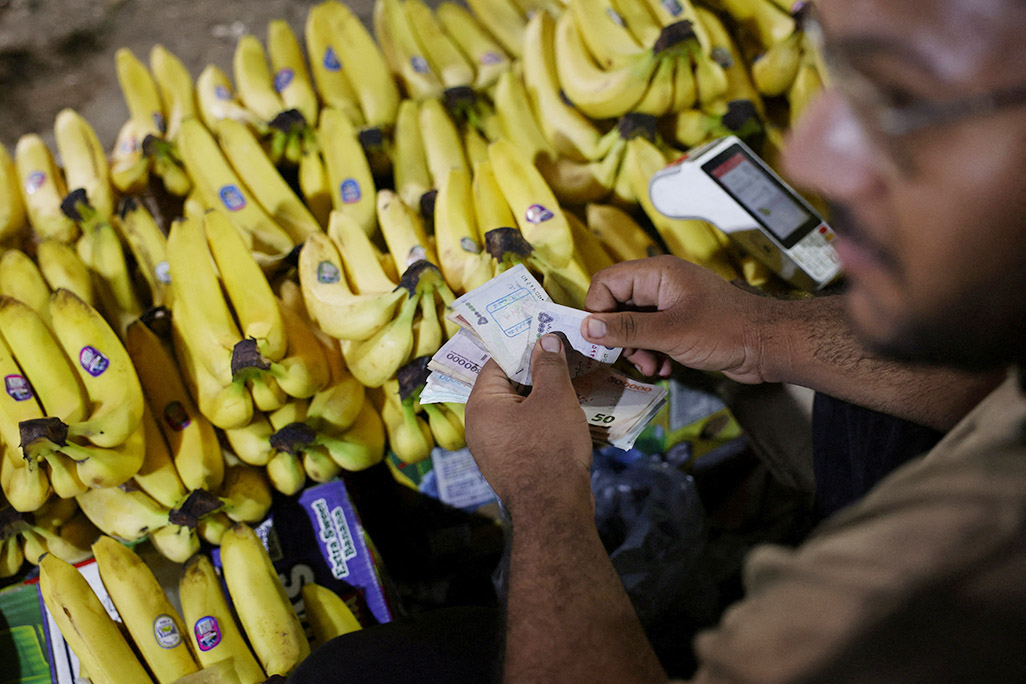
War strain and U.S. sanctions weigh on Iran’s economy as talks stall
The war’s impact on Iran’s economy is increasingly evident as the United States intensifies sanctions and negotiations r...

Boliden to acquire Votorantim’s Nexa stake in about $1.3 billion deal
Boliden agrees to buy control of Nexa Resources from Votorantim in a deal valued at about US$1.3 billion. Trading covera...