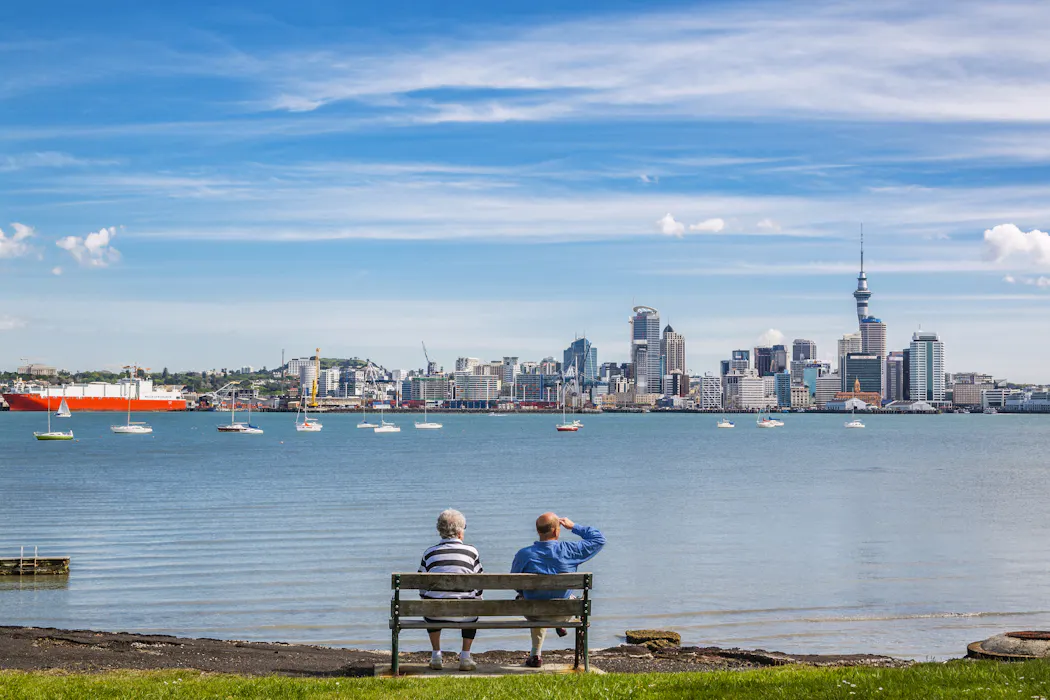
New Zealand is projected to become a “super-aged” society within a decade, with more than one in five residents—about 1.2 million people—aged 65 or older.
Both outlets frame the change as a demographic shift that affects how communities function day to day. The Conversation highlights that many older people live in private homes, meaning neighborhood conditions and access to services strongly shape their wellbeing. As the proportion of older residents increases, it says streets, transport, and public spaces need to work better for older adults, implying a focus on accessibility and mobility in the built environment.
Phys.org emphasizes the timing and scale of aging, while The Conversation focuses on what it means for urban planning and everyday infrastructure. Together, the reporting centers on whether cities and local systems are prepared for a substantially older population, and what kinds of public-space and transport changes may be needed as the country approaches that threshold.