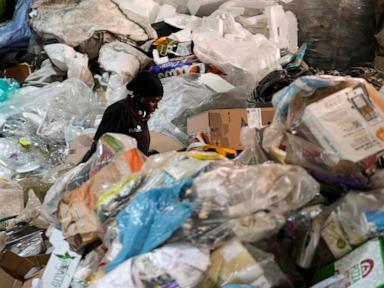
Johannesburg is experiencing a worsening urban waste crisis, with reports describing unreliable waste collection, shrinking landfill capacity, and increased illegal dumping. Residents and local observers say waste is not being collected consistently enough to keep pace with day-to-day waste generation, contributing to growing environmental and public health concerns.
Across outlets, the central context is that waste management demands are rising faster than infrastructure investment. Both reports link the situation to limitations in current systems, including landfill space that is running out and collection services that are not consistently dependable. As formal waste disposal options tighten, illegal dumping becomes more common, particularly in areas where residents lack reliable pickup or where disposal costs and access barriers increase.
While the coverage focuses on Johannesburg, the underlying issue is presented as broader than any single neighborhood: cities across Africa face infrastructure and financing gaps that make it difficult to expand or maintain waste collection and disposal at the pace of urban growth. The differing emphasis is mainly on the observable impacts—collection failures, landfill constraints, and illegal dumping—rather than on differing causes.