


A report by Wood Mackenzie warns that a prolonged closure of the Strait of Hormuz could trigger a major global energy shock, with oil prices potentially reaching about $200 per barrel by late 2026 in the most severe scenario. The report outlines three pathways depending on how quickly the strait reopens and how long disruptions persist. In the most optimistic “Quick Peace” scenario, a resolution is reached by June, leading to faster relief and lower projected prices. A middle scenario, described as “Summer Settlement,” assumes negotiations continue into late summer, with the strait largely closed and shortages of oil and LNG persisting into the third quarter of 2026. In the worst-case scenario, the strait remains largely closed through the end of 2026, and intermittent flare-ups further constrain supply. Even with global oil demand projected to fall during the second half of 2026, prices could rise sharply, while the global economy could contract in 2026. The warnings align with earlier concerns raised by Iran amid escalating regional tensions and highlight risks to critical Middle East shipping and broader economic growth.
Wood Mackenzie warns prolonged Hormuz closure could push oil toward $200
A report by Wood Mackenzie warns that a prolonged closure of the Strait of Hormuz could trigger a major global energy shock, with oil prices potentially reaching about $200 per barrel by late 2026 in...
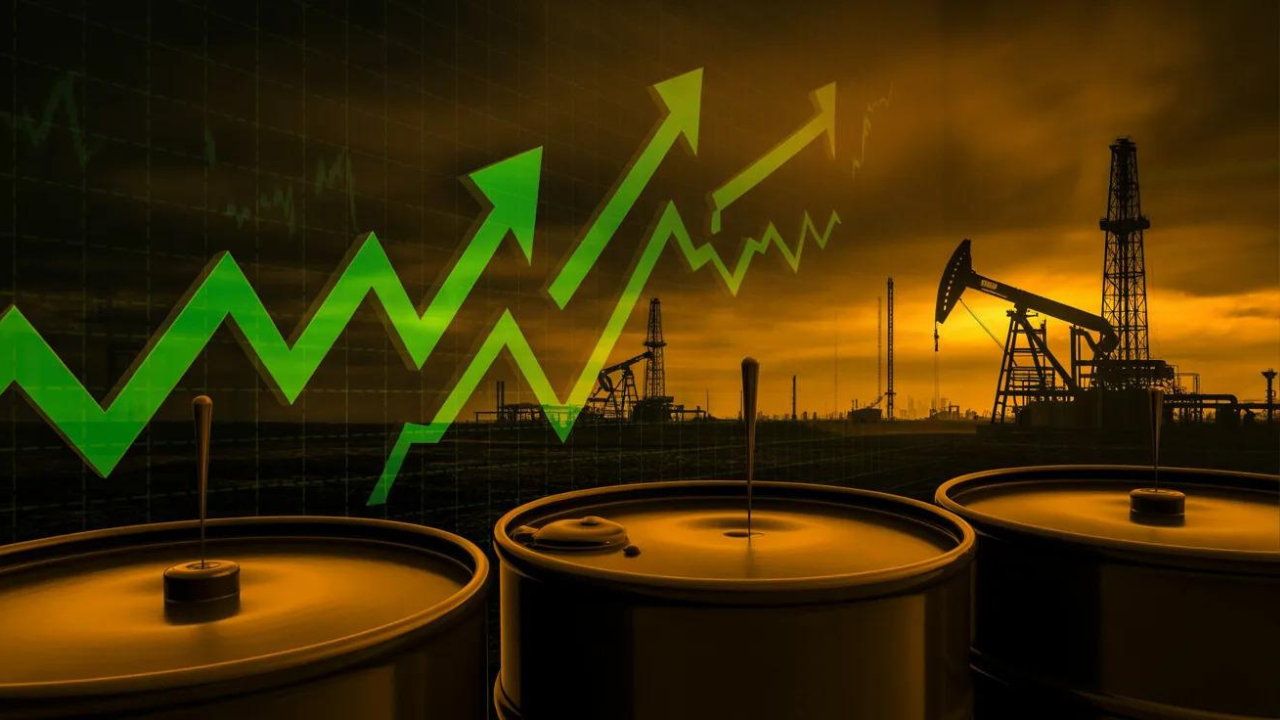
- Wood Mackenzie presents three scenarios for how long the Strait of Hormuz disruption lasts.
- In the worst-case scenario, the Strait of Hormuz remains largely closed through end-2026.
- Oil prices could rise to around $200 per barrel by late 2026 under the worst-case outlook.
- Oil and LNG shortages persist for parts of 2026 in the intermediate scenario and throughout much of 2026 in the worst-case.
- A prolonged disruption is projected to increase economic strain, including potential global contraction in 2026.
A prolonged closure of the Strait of Hormuz could trigger a severe global energy crisis, potentially pushing oil prices to $200 per barrel by late 2026. Wood Mackenzie's report outlines three scenarios, with the worst-case predicting a significant economic contraction. This warning echoes Iran's own earlier predictions amid escalating regional tensions.
3 months agoGlobal crude oil prices could rise to $200 per barrel in the worst-case scenario if the Strait of Hormuz remains closed, warned a report from Wood Mackenzie. Global energy markets have been on edge since the start of the Iran war in February. Oil prices have shot up, sending shockwaves across the globe as worries mount around higher inflation and interest rate hikes.ALSO READ | Iran has destroyed roughly $1 billion worth of US Reaper drones The report mentioned three possible scenarios with different timelines on opening the Strait of Hormuz and the subsequent impact on oil and gas supply, prices, energy demand and the broader global economy. The uncertainty around the Strait has put the supply chains at risk with repercussions that could hit economies hard. More than 11 million barrels per day of Gulf crude and condensate production is currently curtailed, and over 80 million tonnes per annum of LNG supply, which form 20% of global supply, is affected, the report said.ALSO READ | Venezuela third largest supplier of crude to India in May "The Strait of Hormuz is the most critical chokepoint in global energy markets, and a prolonged closure would become far more than an energy crisis," said Peter Martin, head of economics at Wood Mackenzie. "The longer disruption persists, the greater the impact on energy prices, industrial activity, trade flows and global economic growth," he added. Under the most optimistic "Quick Peace" scenario, the warring parties reach a resolution by June, bringing immediate relief for the global economy. Brent crude eases to around $80 per barrel by the end of 2026 and falls further to $65 per barrel in 2027. 'Summer Settlement' scenario assumes the negotiations continuing until late summer, with the Strait largely closed. Oil and LNG shortages persist through Q3 of 2026, with risks of a shallow global recession by the second half of 2026. The worst-case scenario imagines the Strait remaining largely closed through the end of 2026, with bouts of tensions spiralling between the two sides further constraining oil supply. Oil prices could reach $200 per barrel despite global oil demand falling by 6 million barrels per day in H2 2026. The global economy could contract by as much as 0.4% in 2026. Under the Extended Disruption scenario, there will be a renewed push for alternative energy sources, and countries in Asia and Europe could cut down on hydrocarbon use with increased electrification. The report also envisages a positive outlook for US LNG exporters as they benefit from growing demand for supply diversification.(With inputs from ANI)
3 months ago
SASSA sets August 2026 SRD and September 2026 social grant payment dates
South African Social Security Agency (SASSA) announces payment dates for SRD and other social grants, covering August 20...

Deadly Nepal–Tibet floods kill hundreds, as new Bhotekoshi alerts hamper rescue
Flash floods and landslides affecting Nepal and areas linked to Tibet have killed hundreds of people, with reported deat...

Jets waive Cade York, leaving Jason Sanders as the team’s kicker
The New York Jets waive placekicker Cade York, concluding their kicking competition in favor of veteran Jason Sanders. M...