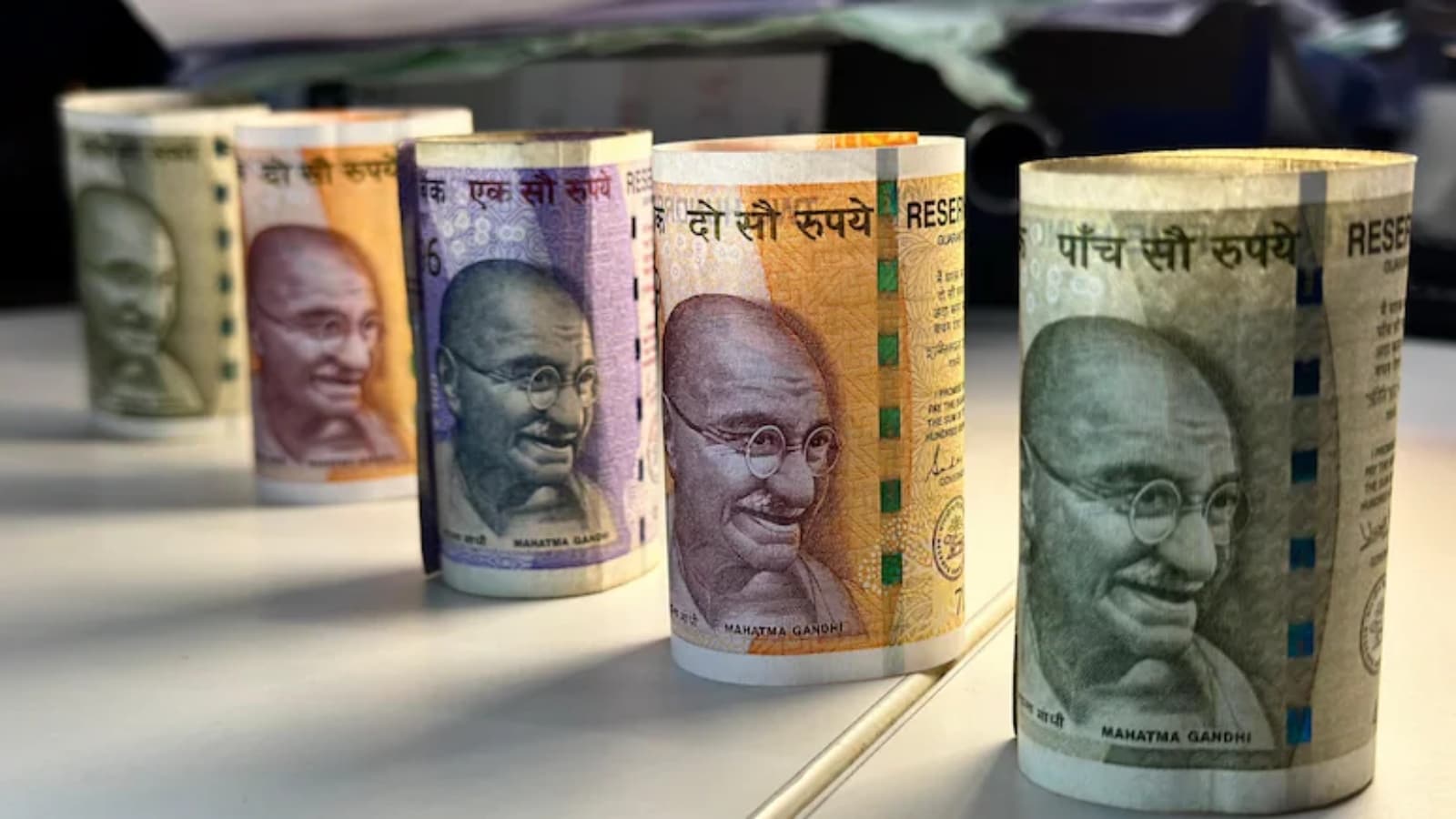
India’s weakening rupee triggers a shift toward sourcing dollars from non-resident Indians (NRIs) and related inflows, according to reporting that looks at what comes after currency moves. The coverage points to the role NRI channels can play in providing foreign exchange, especially when market confidence and capital flows are under pressure.
Across outlets, analysts and commentators say the episode highlights a broader policy question: how India can secure more stable, long-term foreign currency inflows. One recurring view is that India should increase efforts to attract foreign direct investment (FDI) and other longer-duration funding, rather than relying more heavily on comparatively shorter-term sources such as inflows associated with portfolio activity or episodic demand.
The different angles focus less on the initial rupee decline and more on what it signals for next steps. Some accounts emphasize NRI inflows as an immediate buffer, while others stress that strengthening investment from FDI and similar channels is seen as a lower-cost, more durable way to support the rupee over time.