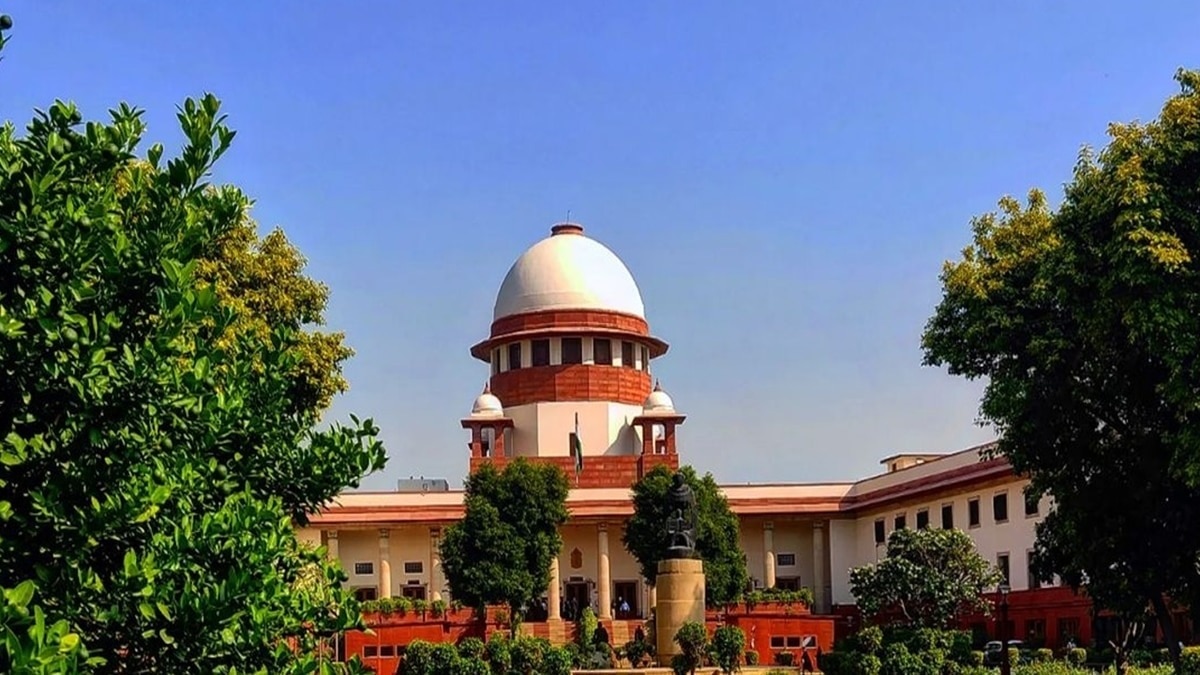
The Supreme Court questions whether reservation benefits should extend to children of well-off government employees, including IAS officers. In remarks reported across multiple outlets, the court asks why a child should seek reservation if both parents are IAS officers, given that such families are already economically and educationally positioned. The court links the issue to the purpose of reservation and to the concept of excluding the “creamy layer,” the relatively affluent section within backward classes that is considered less in need of affirmative support.
According to reports, the authorities noted during the proceedings that both parents are government employees and that their combined income is above the threshold used to determine creamy-layer eligibility. The bench emphasizes that broader social mobility can occur through education and employment, and that advances by already well-placed families can warrant keeping them out of reservation benefits. The court’s observations also frame the matter as ensuring reservations reach those who remain disadvantaged, rather than being used by relatively advanced groups.
The outlets agree the Supreme Court’s comments are central to the proceedings, focusing on the eligibility of affluent individuals within backward classes.