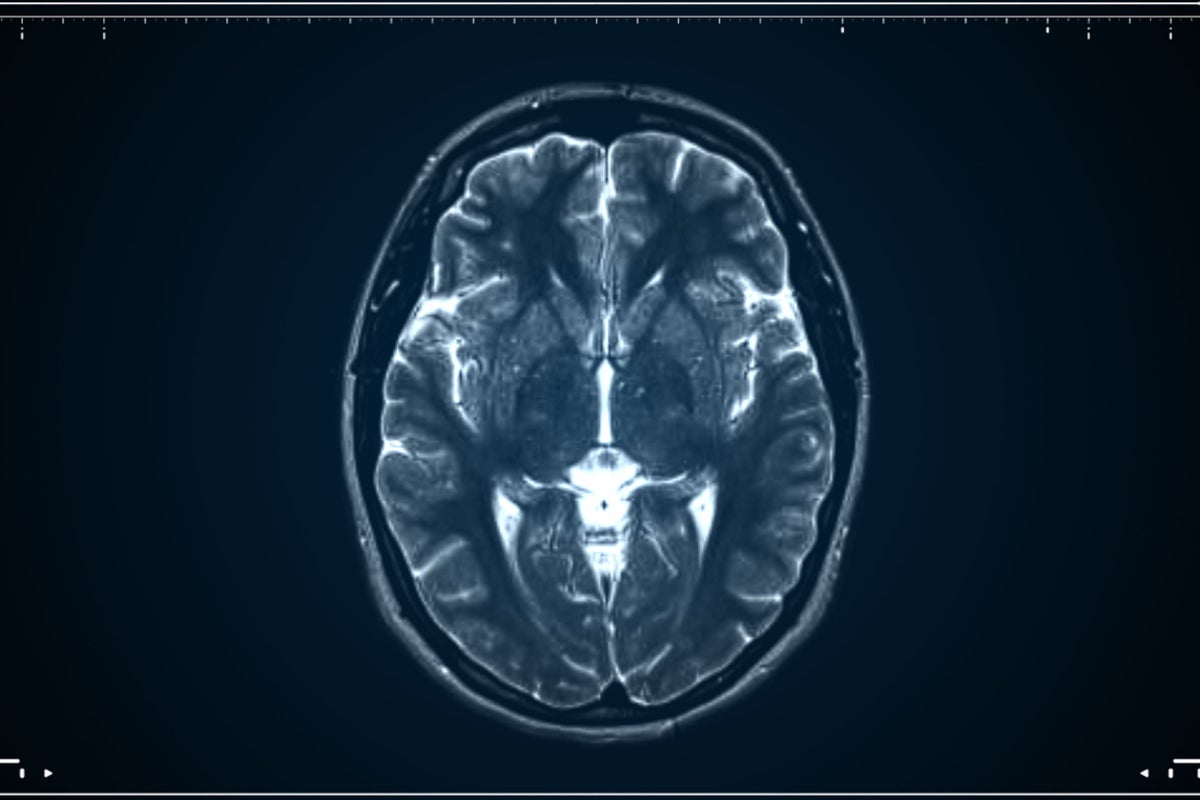
Scientists led by Stanford Medicine report findings that the human brain functions as two largely separate organ-like systems rather than a single unified structure. The research suggests distinct organizational and functional features across brain regions, raising new questions about how the brain coordinates activity and how disruptions may develop.
Multiple outlets frame the work as a potential shift in how researchers conceptualize brain organization. The Independent emphasizes implications for future research into fatal neurodegenerative diseases, suggesting the new model could influence how scientists study conditions that progressively damage the nervous system. Other coverage focuses on the same basic claim of separateness, though public discussion and commentary primarily repeat the central finding rather than adding new experimental detail.
Overall, the sources agree on the core takeaway: the study presents evidence that the brain’s internal organization can be understood in two separate organ-like components, which could guide future research directions.