


Rice remains a staple for billions worldwide, but its cultivation is increasingly scrutinized for greenhouse-gas emissions. Multiple sources note that rice feeds a majority of the global population, with production spanning diverse farming systems such as terraced paddies in parts of Southeast Asia and irrigated fields in countries including China and India. Alongside this importance, a growing body of research highlights how rice farming contributes to climate change, prompting efforts to reduce emissions while maintaining crop yields. One report emphasizes that there are methods to lower emissions without reducing production, supported by a new study that identifies practical approaches for cutting greenhouse-gas output. However, the same coverage also evaluates a technique marketed as “climate-friendly,” describing evidence that this method can increase emissions rather than reduce them. Taken together, the articles present a picture in which researchers seek yield-preserving ways to reduce rice-related emissions, while also cautioning that not all interventions labeled as climate solutions deliver lower greenhouse-gas impacts in real-world conditions.
Rice production’s climate impact grows as researchers evaluate emission-reduction options
Rice remains a staple for billions worldwide, but its cultivation is increasingly scrutinized for greenhouse-gas emissions. Multiple sources note that rice feeds a majority of the global population, w...
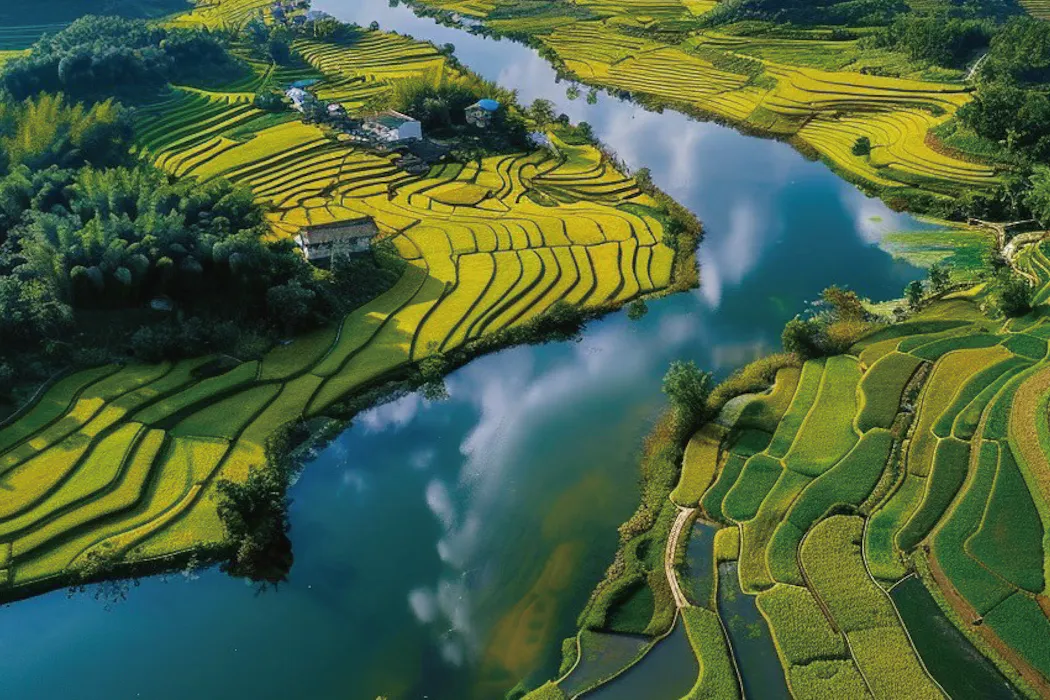
- Rice is a major global staple, feeding billions and accounting for more than half of the world’s food supply.
- Rice cultivation occurs across multiple regions and farming systems, including terraced paddies and irrigated fields.
- Researchers are working on strategies to reduce greenhouse-gas emissions from rice without lowering yields.
- A new study evaluates emission-reduction options and reports that some methods can backfire.
- A technique promoted as “climate-friendly” is reported to make emissions worse in the findings described.
Rice feeds more than half the world. From terraced paddies in Southeast Asia to irrigated fields in China and India, it underpins daily meals for billions of people.
3 months agoThere are ways to reduce emissions without sacrificing yield. A new study shows how, and looks at a technique billed as ‘climate-friendly’ that makes emissions worse.
3 months ago
Tata Sons boards and trusts weigh leadership transition amid AGM quorum and listing pressure
Tata Sons faces a leadership transition as Chairman N. Chandrasekaran says he will not seek another five-year term, with...

Centre launches subsidised onion sales at ₹35/kg in Delhi amid price surge
The Centre begins retail sales of onions at ₹35 per kg in Delhi from Thursday, drawing from a 1.21 lakh tonne buffer sto...

Suspected Pakistan drone spotted near LoC in Jammu and Kashmir’s Poonch
Security forces in Jammu and Kashmir’s Poonch district launch a search operation after a suspected drone is spotted near...