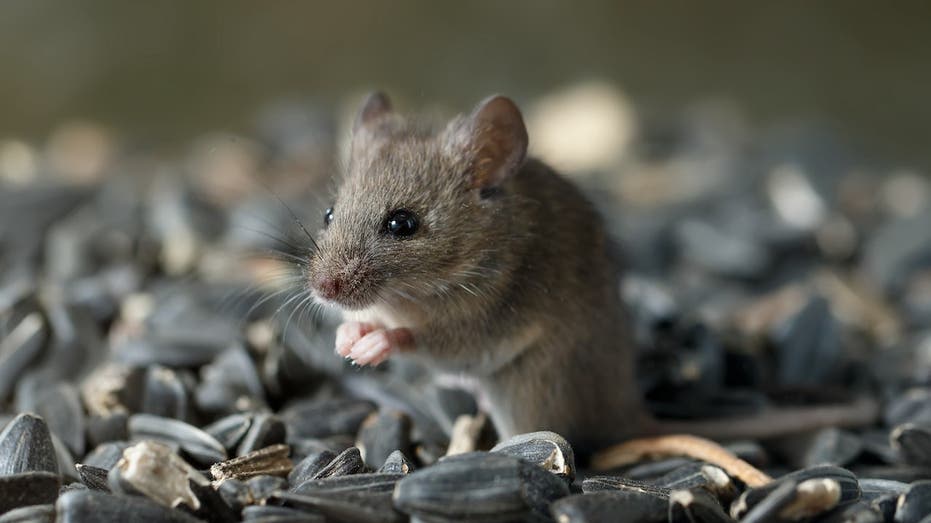
A study by Washington State University researchers reports higher-than-expected hantavirus presence in rodent populations across parts of the Pacific Northwest. The researchers detect unexpectedly high hantavirus levels in rodents sampled across a range of settings, including farms and forested areas. The findings suggest exposure risk in some locations may be greater than previously believed.
One of the areas highlighted in reporting is the Palouse region, which spans parts of eastern Washington and north-central Idaho. Coverage notes that this region shows the highest prevalence of hantavirus among the locations examined. The study’s results are based on field sampling and testing of rodents, with the authors concluding that local patterns of viral presence may vary and that the levels found in certain areas warrant attention.
Both accounts focus on the same core finding: rodent populations in parts of the Pacific Northwest carry hantavirus at higher levels than expected, implying that humans in some communities could face greater exposure risk than current assumptions suggest.