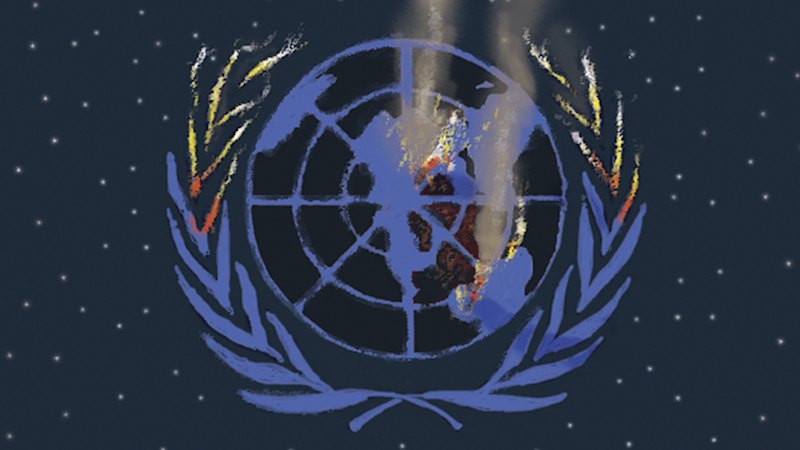
Multiple Australian outlets raise criticism of the United Nations’ ability to prevent war and protect democratic principles. They argue that the UN’s capacity to respond to major conflicts is limited, especially when action depends on approval by powerful member states.
The articles point to the role of veto power in shaping UN decisions, saying that when permanent members disagree, it can block efforts to address alleged atrocities. In this view, the UN’s effectiveness is constrained not only by legal and procedural hurdles but also by the interests of states that can prevent enforcement.
Across the outlets, a related question appears: whether Australia could help the UN function more effectively or help the broader international system adapt. The coverage frames the issue in the context of shifting global politics, including the perceived direction of US policy under Donald Trump, and considers what influence or diplomatic initiatives Australia might pursue. While the outlets share this general line of critique and context, they focus less on specific policy proposals and more on the underlying institutional constraints affecting UN action.