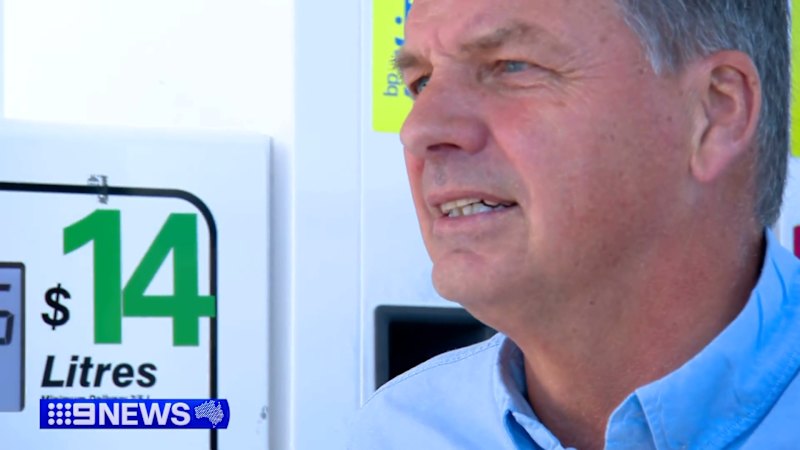
Opposition parties propose a plan aimed at easing “pain at the petrol pump” by automatically reducing fuel taxes when global oil prices rise. The proposal would link tax settings to movements in oil prices so that households face less volatility in petrol costs.
Multiple outlets report the same core policy concept: an automatic mechanism, rather than ad hoc changes, is intended to respond to spikes in oil prices. The reporting across outlets focuses on the expected consumer impact—lower fuel taxes during periods of higher input costs—while placing less emphasis on broader details such as the exact formula, thresholds, timing, or budget implications.
While the articles do not indicate variations in the underlying plan, they collectively highlight that the opposition is putting forward a targeted response to petrol price increases, framed as a near-term relief measure. The coverage does not show agreement on how the proposal would interact with existing fuel pricing settings or how it would be assessed against fiscal impacts and policy constraints.