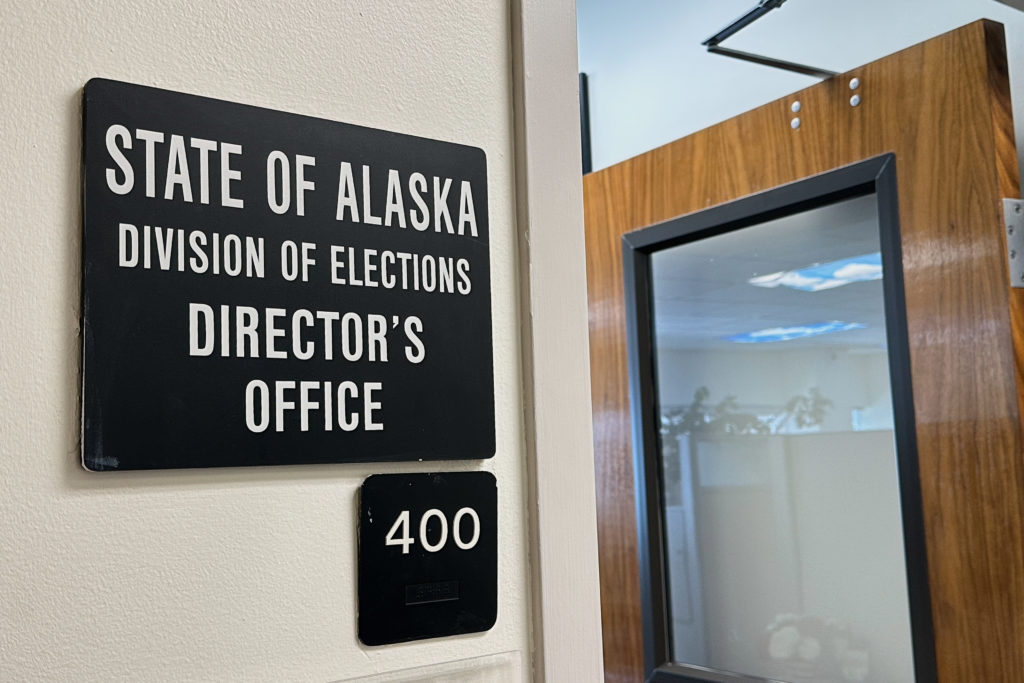
Alaska voters are set to decide the fate of ranked-choice voting after an August primary that ended amid confusion and disputes. Several outlets describe the contest as exposing practical problems tied to the state’s new system, including how ballots are counted and how results unfold in real time.
The coverage frames the primary as a test case for whether ranked-choice voting works as intended in Alaska’s elections. While PBS NewsHour emphasizes the gap between expectations for the policy and what happens on election day, the Winnipeg Free Press similarly focuses on the aftereffects of the primary and what they signal for the system’s future. Together, the reporting points to real-world implementation challenges rather than a purely theoretical evaluation.
Details in the summaries provided indicate broad agreement on the core storyline: Alaska’s shift in voting procedures produces operational difficulties, and those difficulties are now shaping public and political discussion about whether the state should continue using ranked-choice voting.