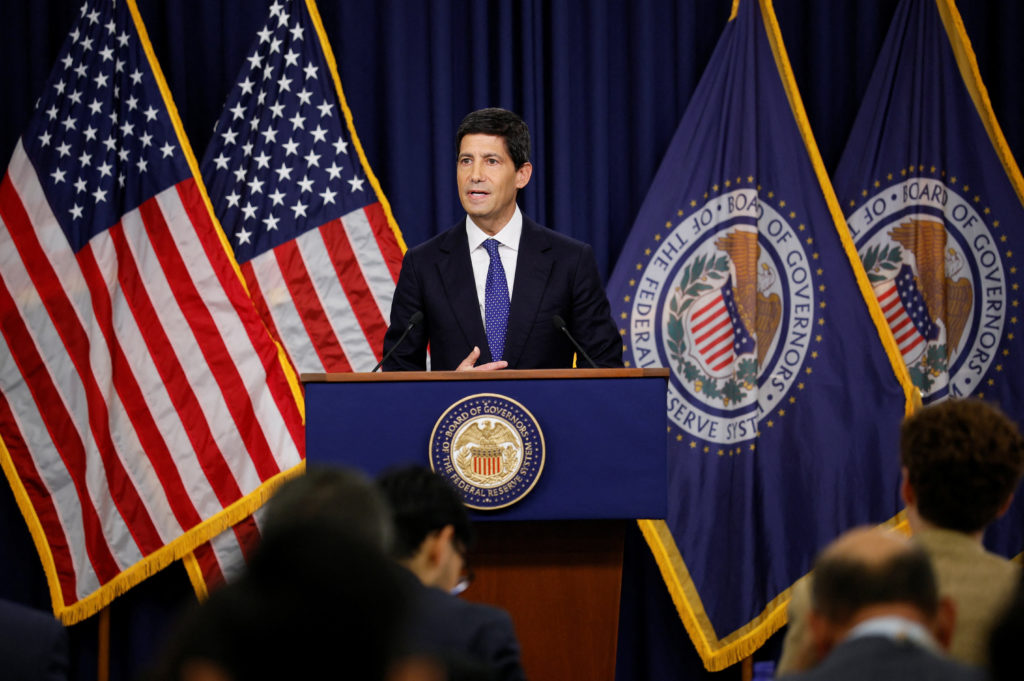
The Federal Reserve raises interest rates, reflecting a shift away from the post–Great Recession era of low inflation and low borrowing costs. The decision comes as policymakers assess that inflation is not returning quickly to target and that economic growth has been stronger than in the prior period.
Both outlets frame the move as part of a broader change in the economic environment. They describe a move from a “new normal” characterized by persistently higher inflation and correspondingly higher interest rates, rather than the longer stretch of relatively low rates that followed the financial crisis. In this view, the Fed’s rate action is intended to address inflation pressures while accounting for the economy’s improved momentum.
While the sources align on the general rationale—sticky inflation alongside faster growth—they emphasize the historical contrast between the two periods. The Winnipeg Free Press focuses on the “new world” of higher inflation and rates, while PBS NewsHour highlights how the end of the low-rate era shapes expectations for monetary policy going forward.