


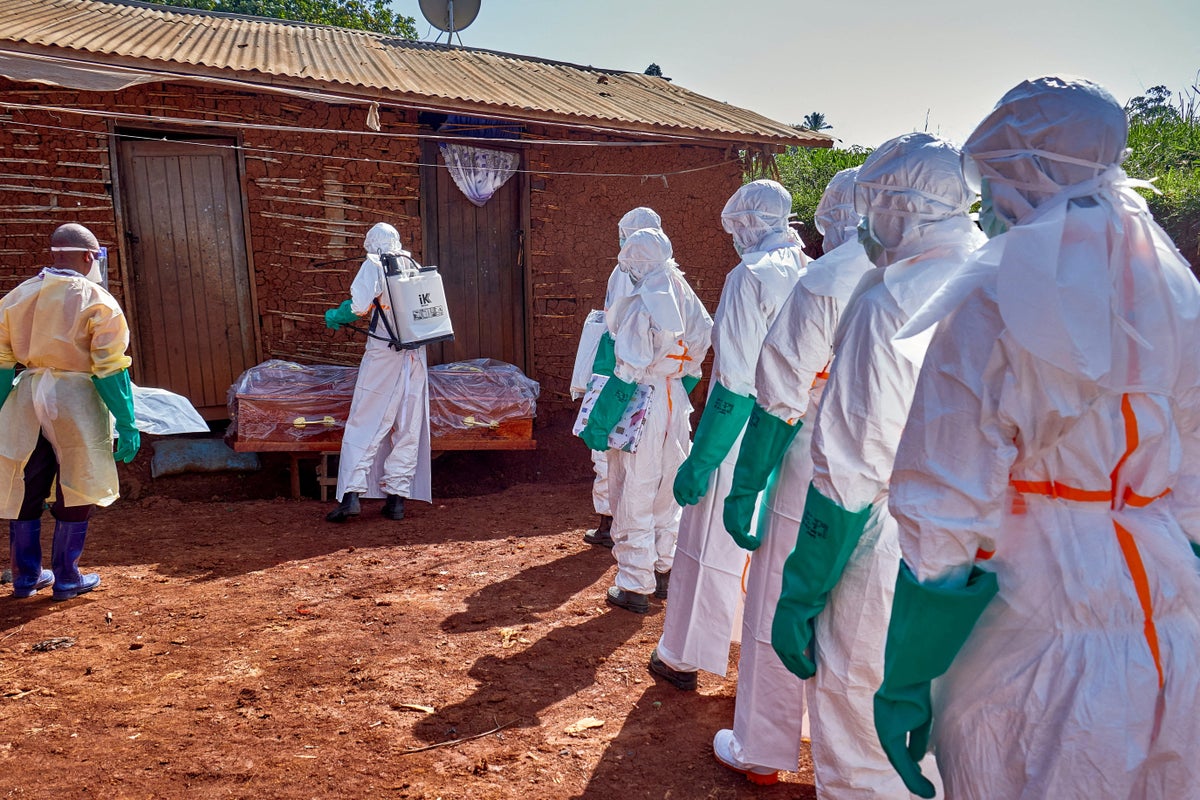
The World Health Organization (WHO) says it has upgraded its Ebola risk assessment for the Democratic Republic of Congo to the highest or “very high” level at the national scale, as the outbreak continues to spread and the case toll rises. WHO Director-General Tedros Adhanom Ghebreyesus describes the situation as especially challenging, noting that health workers are trying to catch up with transmission and track contacts of people believed to be infected. Several outlets report that while the national risk is assessed as very high, WHO continues to say the overall global risk remains low. The reassessment reflects that the outbreak is spreading rapidly within the country. In reporting on the update, outlets also note ongoing efforts to respond, including contact tracing and other outbreak-control measures. One outlet additionally refers to new cases reported in Uganda, indicating regional monitoring alongside the revised national risk assessment for DR Congo. Overall, the sources present a consistent picture: WHO raises the national risk level due to accelerating spread in DR Congo, while maintaining that broader international risk remains limited at present.
WHO raises Ebola risk level in DR Congo to very high amid rising spread
Key Points
- WHO upgrades the Ebola risk in the Democratic Republic of Congo to “very high” (highest) at the national level.
- WHO says the outbreak is spreading rapidly and the situation is especially challenging for response teams.
- WHO states global risk from the outbreak remains low even after the national-risk upgrade.
- WHO highlights continued efforts including contact tracing and catching up with spread.
- Some reporting also references new Ebola-related developments in Uganda, alongside regional monitoring.
28 sources
6 months ago
39 views
This summary is generated automatically from the reporting of the outlets listed on this page. Follow their links for the full coverage.
How Outlets Covered This Story
EU
EUR
BAN
THE
VAN
THE
BBC
Related Stories

Newly diagnosed brain cancer highlights delays after postpartum symptoms were dismissed
Holly Vivian says doctors blamed her symptoms on pregnancy and “impatience” in the period after she gave birth, before s...
2 sources
17 hours ago

Cell therapy aims to “reprogram” immune cells to treat advanced melanoma
Researchers report early evidence of a new cell-therapy approach that aims to “reboot” or reprogram a patient’s immune s...
3 sources
4 hours ago

Mandaue City hospital plans 10 more beds as dengue admissions surge
Mandaue City Hospital in Cebu is preparing to add up to 10 beds to address a rise in dengue fever admissions that began...
2 sources
2 days ago