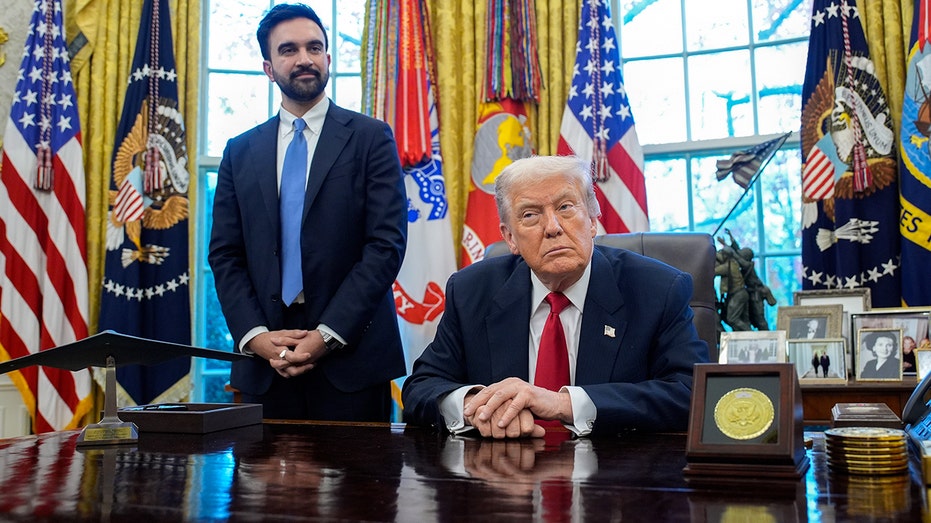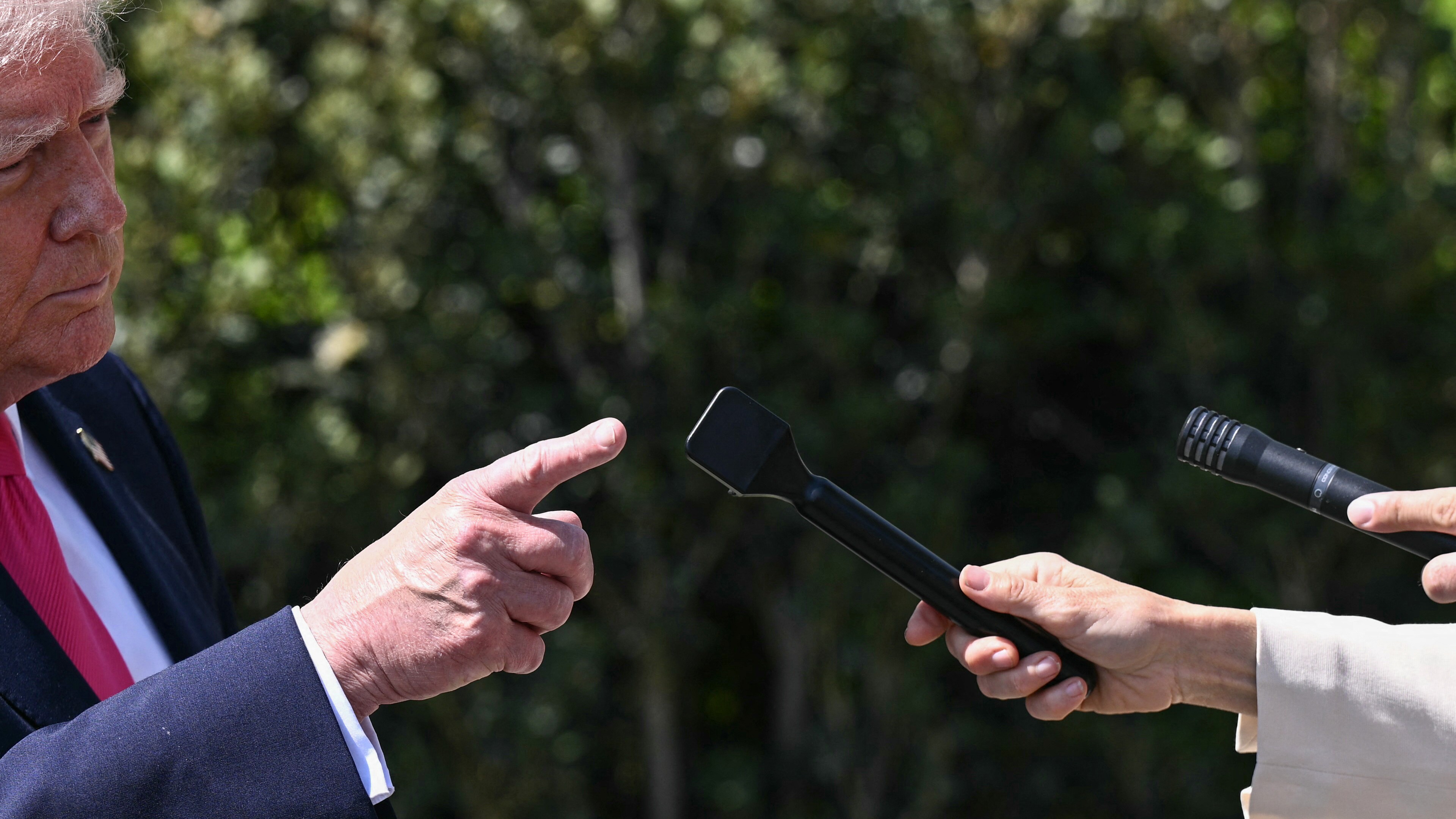
Several outlets argue that President Donald Trump’s public attacks on the media—particularly claims that negative coverage is false or biased—shape how audiences and political actors interpret information and respond to criticism. The Atlantic and Real Clear Politics both frame the strategy as potentially counterproductive, suggesting it can reduce the incentive or ability of supporters and party leaders to engage with unfavorable reporting.
In this view, the president’s approach is said to narrow the range of feedback his administration receives, because negative stories are dismissed in advance rather than addressed substantively. The outlets differ less on the basic description of the criticism than on the emphasis of its broader effects: Real Clear Politics characterizes the tactic as self-defeating, while The Atlantic focuses on how such assertions can isolate the president’s party from necessary scrutiny. Both pieces remain within a commentary lens rather than reporting new, specific events.
While the articles agree on the general dynamic, they do not present a single shared set of new facts beyond their interpretations of Trump’s recurring messaging toward the press.