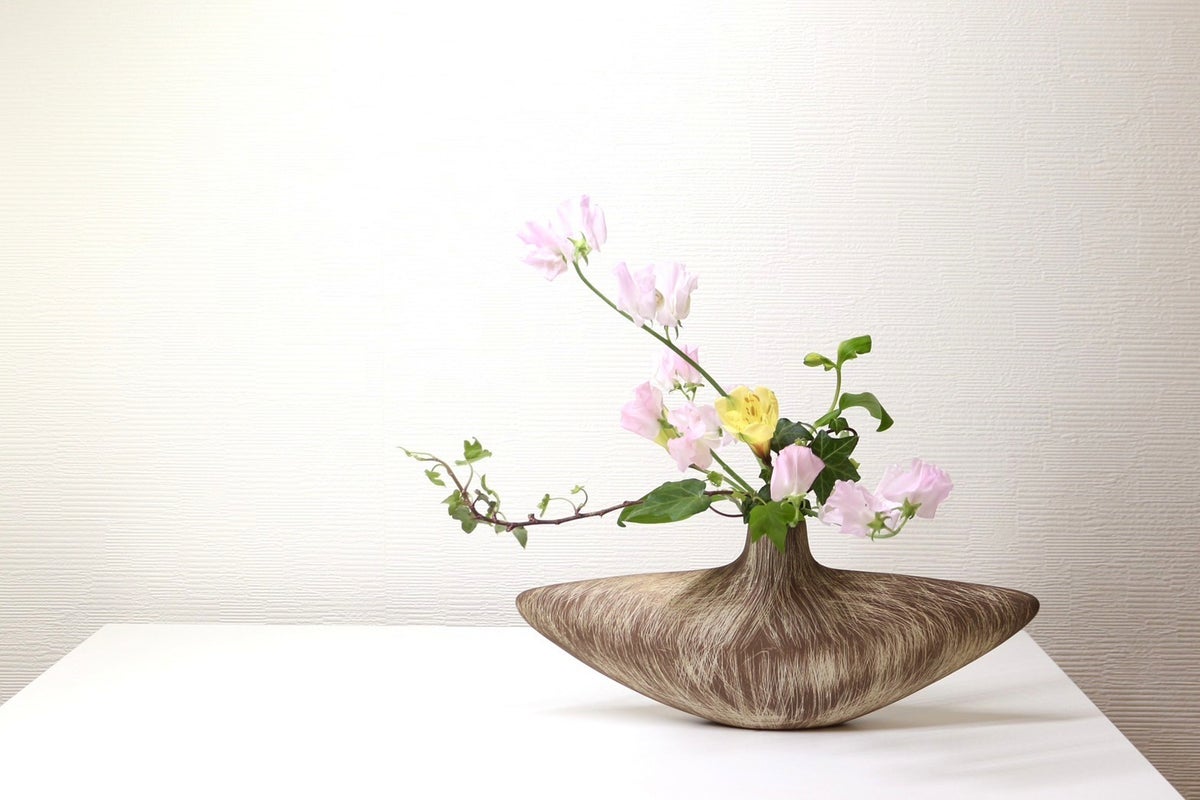
Ikebana, the Japanese art of arranging flowers, is drawing increasing attention from people looking for a sense of calm and mindfulness. Across outlets, it is presented as a centuries-old practice that continues to be taught and practiced in communities today.
All sources describe ikebana as dating back more than 500 years, with roots in traditional Japanese culture. While the exact history and origins are not expanded in the provided excerpts, the articles frame the art as both creative and meditative. One outlet highlights that it remains popular with traditional practitioners, who preserve established approaches, while also attracting newcomers who are drawn to its blend of artistry and attentiveness.
The differing angles are primarily about audience and emphasis rather than the core facts: the focus is on ikebana’s long history in one case, and on its appeal to modern participants seeking restorative calm in the others. Together, the coverage portrays ikebana as a living cultural practice rather than a purely historical art form.