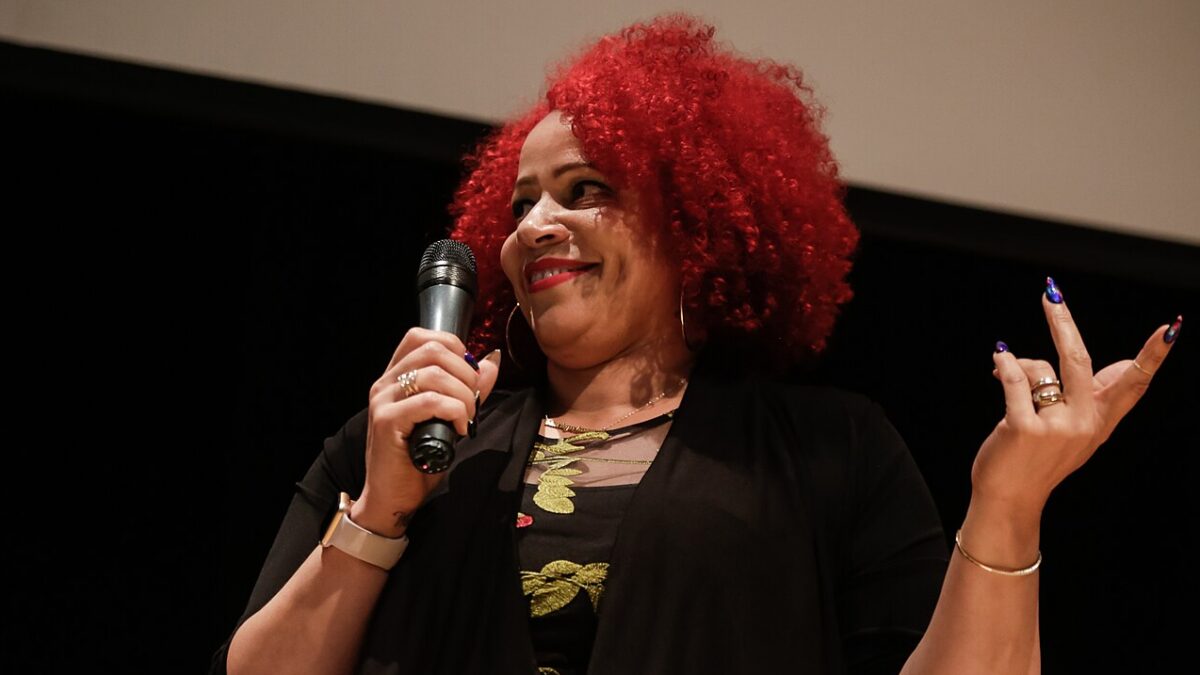
Nikole Hannah-Jones, associated with the 1619 Project, faces criticism in some outlets that claim her views are harmful and that she “sacrificed” her child for political ideology. These claims are presented as rhetorical arguments rather than detailed, verifiable reporting, and they frame her work as tied to broader concerns about race and politics.
Other coverage not included here often treats Hannah-Jones’s public role as focusing on how American history is taught, including the use of slavery and race in shaping the nation’s development. In contrast, the provided sources emphasize an extreme moral accusation and urge readers to distrust her influence, particularly in relation to how children might be affected.
Taken together, the sources show a sharp divide in how Hannah-Jones is portrayed: one side critiques her work through inflammatory claims, while the broader public debate centers on the purpose and interpretation of historical scholarship and education.
Key points across the provided sources indicate that both pieces revolve around Hannah-Jones’s perceived views on race-related ideology and question the implications for children.