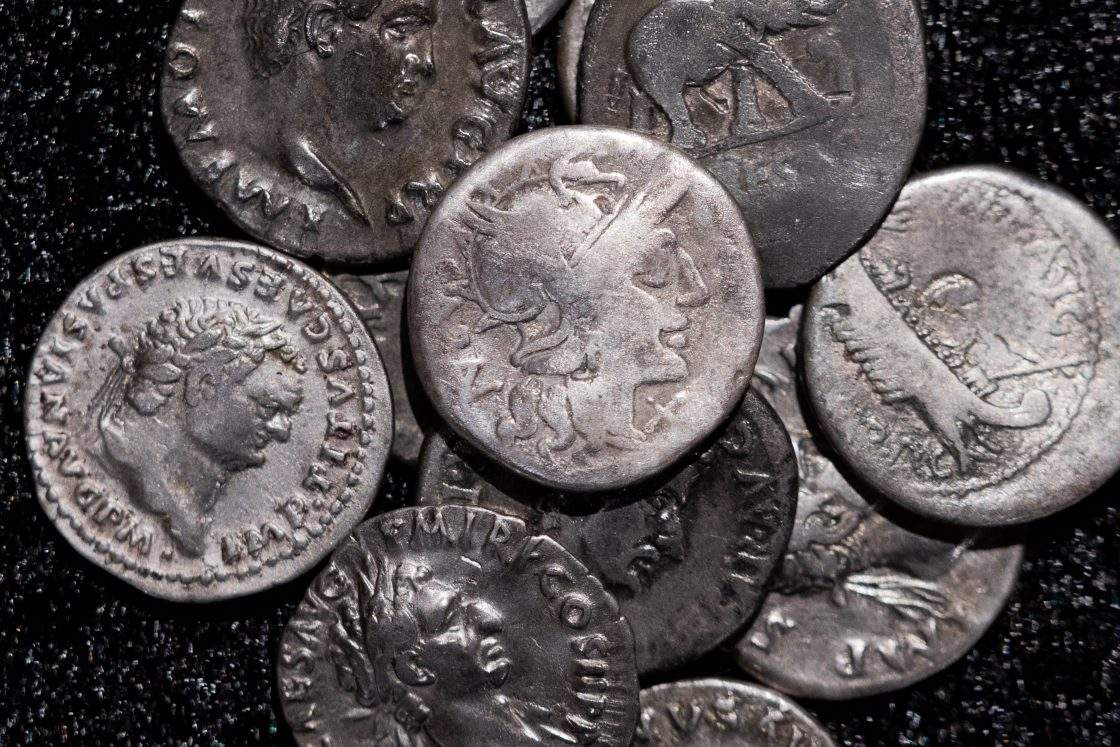
An amateur archaeologist discovers a major hoard of Roman silver coins in a field in western Germany and alerts authorities after his metal detector repeatedly beeps. Local reporting identifies the finder as Oliver Riedl, who comes across several coins first and then realizes the find is larger than expected.
Experts begin digging after he contacts the relevant office for archaeological monuments. The dig uncovers a total of 934 Roman silver denarii. Sources say the hoard is buried south of Cologne and dates to the second century AD, during the reign of Roman emperor Hadrian.
Across outlets, the core facts are consistent: an amateur uses a metal detector, he calls authorities, and a team of experts excavates the hoard. Coverage varies mainly in phrasing and emphasis—some focus on the “biggest” nature of the find in Germany from the Hadrian period, while others describe the discovery process and the hoard’s location and date.