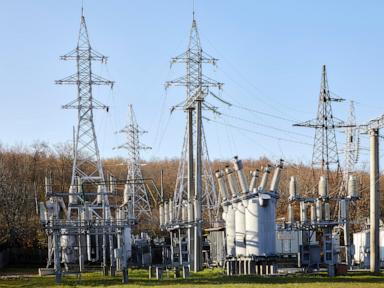
Moldova’s parliament declares a 60-day state of emergency covering the country’s energy and water sectors. The decision responds to severely low water levels on the Dniester River and to rising costs affecting utilities and supply.
The outlets link the emergency to drought conditions and note that broader international factors are also worsening the situation, including global conflicts that contribute to higher energy prices. The measures are presented as temporary emergency steps intended to address shortages and manage strain in both water and energy delivery during the stated period.
While both reports describe the same parliamentary action and its drivers—drought on the Dniester and elevated energy costs—the emphasis is largely on different aspects of impact. One focuses on the combined pressure from water scarcity and cost increases, while the other highlights the role of external conflict-related drivers alongside domestic water levels. Both characterize the declaration as a response aimed at stabilizing essential services during a defined, limited window.