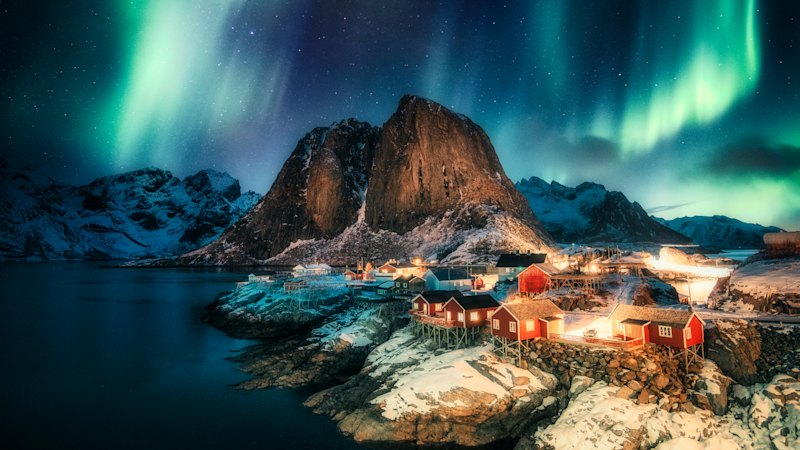
Across multiple outlets, the story is that viewing the aurora borealis and aurora australis has shifted from a niche interest into a major global travel draw. The reports say that only a couple of decades ago, travelling to far northern regions to see the lights was relatively uncommon among mainstream travellers. They describe a turning point around 2014, when aurora-focused trips became more visible and attractive, contributing to rapid growth in demand.
The coverage also frames the aurora as increasingly part of consumer “bucket list” culture, supported by broader tourism promotion, improved access to information about viewing conditions, and the expansion of travel packages aimed at spotting the lights. While the sources vary in how they characterise the trend’s drivers, they consistently present the same overall development: aurora viewing becomes a structured travel product rather than a fringe pursuit.
The articles also converge on the scale of the market, describing aurora-related tourism as reaching around $1 billion, indicating that the sector is large enough to be treated as a significant economic segment for destinations that market themselves for aurora viewing.