


Multiple outlets highlight Bologna, Italy, for its distinctive historic architecture—specifically its extensive network of porticoes. The articles describe Bologna’s porticoes as an ancient, urban planning feature that shapes how the city’s streets and public spaces function. Rather than focusing on local food or attractions, the reports emphasize the structures’ role in defining Bologna’s character, noting that the porticoes extend through the city and connect key areas along sheltered walkways. The coverage frames the porticoes as a long-established element of the urban fabric, drawing attention to their scale and continuity across different parts of the city. While the sources differ in wording, they converge on the same central point: Bologna’s architectural network of porticoes is presented as the standout feature visitors are likely to notice and remember. Collectively, the articles treat the porticoes as both a historical legacy and a practical urban design solution, providing sheltered pedestrian routes that remain integral to the city experience.
Bologna’s Porticoes Stand Out as City’s Signature Architectural Feature
Multiple outlets highlight Bologna, Italy, for its distinctive historic architecture—specifically its extensive network of porticoes. The articles describe Bologna’s porticoes as an ancient, urban pla...
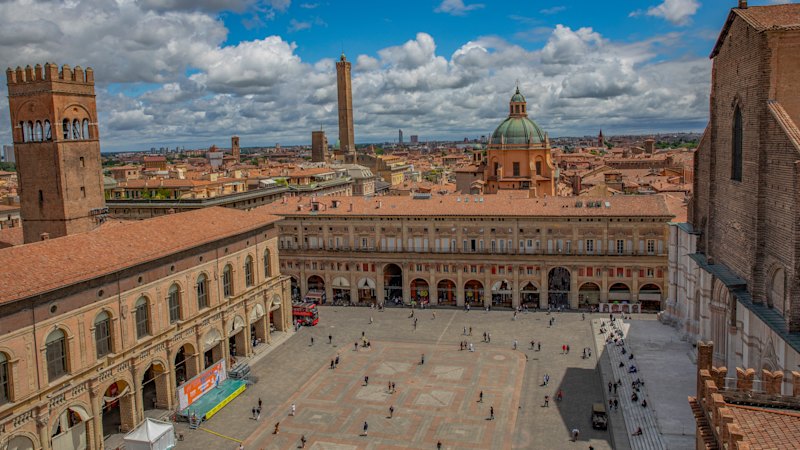
- All sources focus on Bologna, Italy.
- Each identifies Bologna’s porticoes as the city’s standout feature.
- The porticoes are described as ancient or historic.
- The porticoes are presented as part of an extensive network across the city.
- The articles emphasize architecture and urban design over food.
Bologna’s ancient network of porticoes is a wonder of urban planning.
3 months agoBologna’s ancient network of porticoes is a wonder of urban planning.
3 months agoBologna’s ancient network of porticoes is a wonder of urban planning.
3 months ago
Sweden to send fighter jets and warships to support Finland’s air defense
Sweden announces it will deploy fighter jets and warships to Finland, responding to a request from Helsinki to strengthe...

Adeleke dissolves and reconstitutes UNIOSUN Governing Council
Osun State Governor Ademola Adeleke dissolves the Governing Council of Osun State University (UNIOSUN) and reconstitutes...

Ebola outbreak in eastern Congo expands to two new health zones
An Ebola outbreak in eastern Congo expands to two additional health zones, bringing the total affected to 60, according...