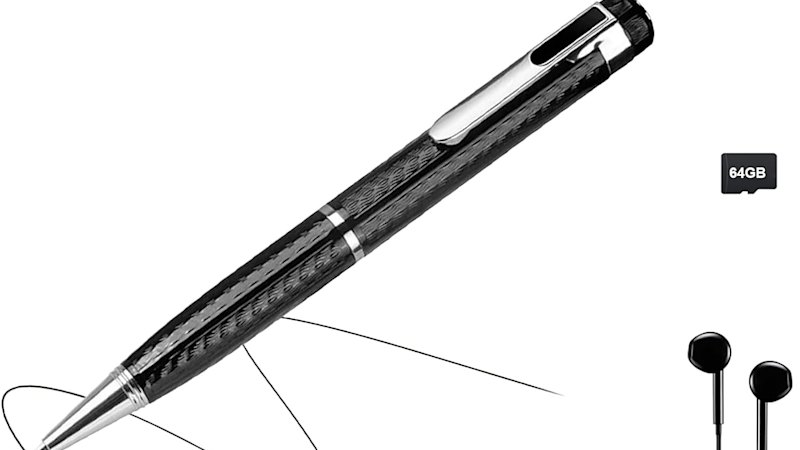
The NSW Independent Commission Against Corruption (ICAC) hears evidence from a private investigator who says he used covert devices in an attempt to uncover alleged misconduct. The testimony, reported by multiple outlets, describes the investigator using spy-like equipment intended to capture information relevant to wrongdoing.
However, the accounts agree that the outcome of those covert efforts was limited. Rather than producing clear evidence of the alleged improper dealings, the material reportedly amounted largely to ordinary, mundane interactions—specifically, “breakfast orders” such as spy pens and eggs on toast. This has shaped how outlets characterize the significance of the testimony: some present it as an example of questionable investigative methods or claims that did not translate into substantive proof, while others focus on the procedural and evidentiary aspects within the ICAC process.
Across coverage, the central point is that the ICAC proceedings include discussion of covert devices and the investigator’s stated aims, but the information produced is described as largely non-substantive to the alleged corruption being investigated.