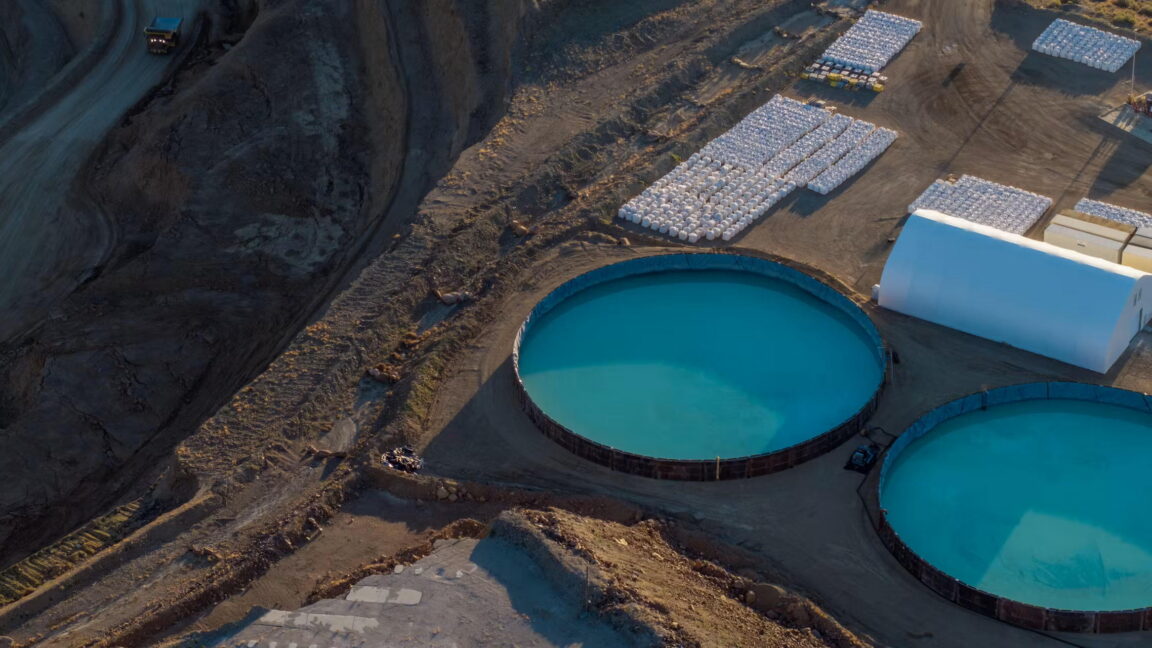
The United States is increasingly reliant on China for the processing of vital rare earth minerals, a shift that some analysts say reduces US leverage in global supply chains. Multiple outlets report that China now controls most of the downstream processing capacity for rare earths, which can translate into political and commercial leverage over buyers.
The Conversation frames the issue in terms of long-term industrial choices and outcomes, noting that a US–China trade arrangement involving rare-earth-related minerals is set to expire on Nov. 10, 2026. Ars Technica similarly points to decades of cheaper imports that left the US dependent on Chinese processing, rather than developing comparable domestic or diversified capacity. Both accounts describe the same core change—China’s dominance in processing—and the potential consequences for future bargaining power and supply security. While the outlets differ in emphasis—one highlighting the costs and timing of a specific trade truce, the other focusing on how import dynamics drove dependence—they converge on the view that China’s processing lead is central to the current strategic imbalance.