


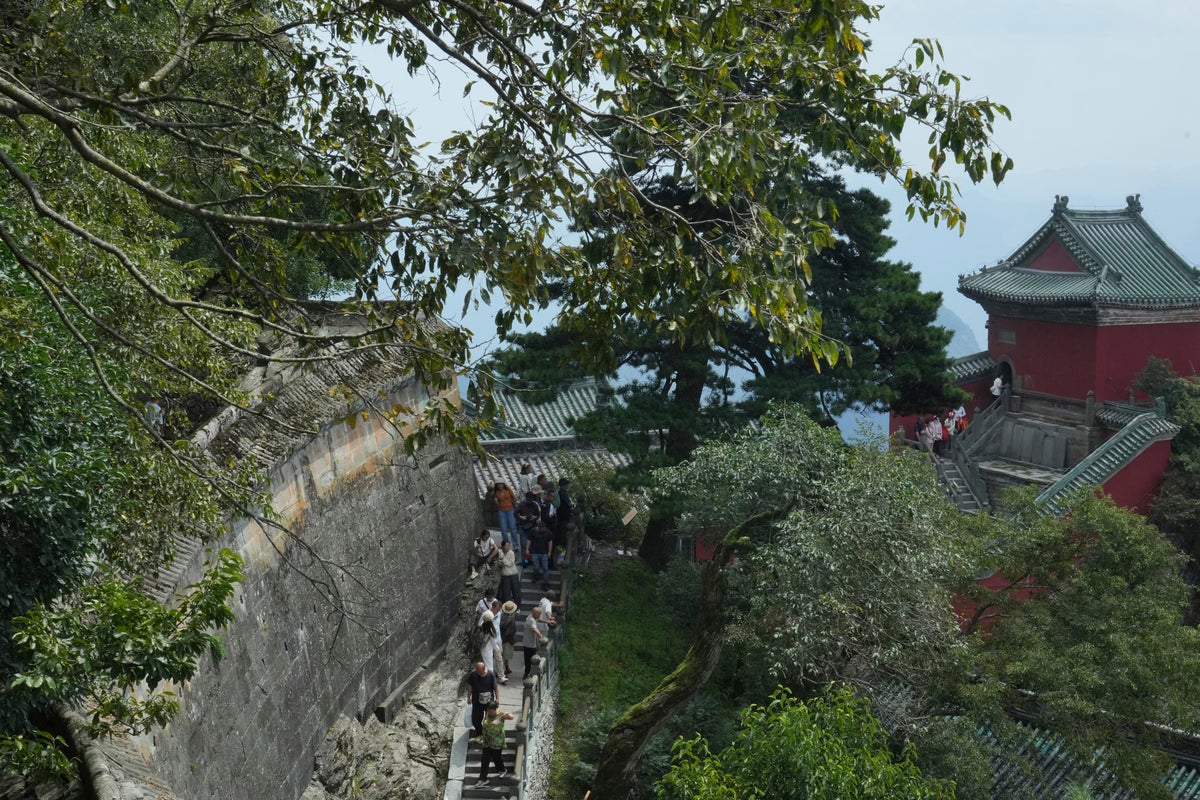
China’s Wudang Mountains are drawing visitors for different reasons, including religious devotion and tourism, as the site remains strongly associated with Taoism. The mountains host temples and palace complexes that reflect centuries of religious practice and imperial history, and they continue to attract people willing to travel and climb for both spiritual and cultural experience.
Outlets describe the Wudang Mountains as a place where pilgrims and tourists can share the same trails, but their motivations differ. Some visitors come specifically to engage with the Taoist sacred landscape, while others focus on sightseeing and the views from the mountain environment. Across coverage, the emphasis centers on the mountain’s long-standing sacred status and the built heritage—religious structures and historical sites—that shapes how people experience the area today.
While specific reporting details beyond the shared description are not provided here, both sources frame the attraction as a blend of faith and scenery, linked to the mountains’ distinctive temples and palaces.


