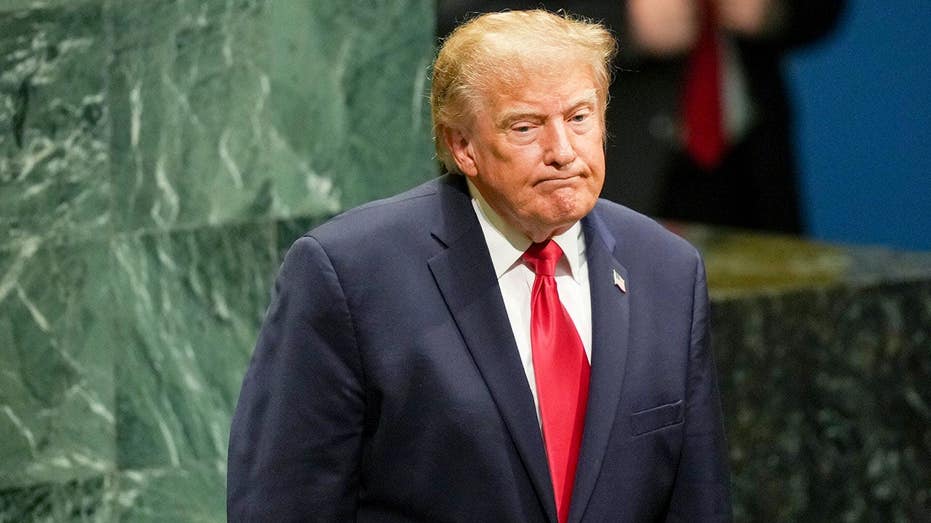
Leaders from the Global South use the 81st UN General Assembly to criticise what they describe as an imbalance in the UN system, particularly the Security Council’s concentration of power. They argue that current arrangements limit developing countries’ ability to shape international decisions.
Several outlets report that speakers call for reforms to give greater voice to states in the developing world. The criticism includes wider questions about representation and decision-making within UN institutions. In that context, some leaders point to alternatives or complementary mechanisms—such as BRICS and the New Development Bank—as potential ways to increase leverage for developing countries and mobilise financing and cooperation outside existing UN influence structures.
While the outlets share a common focus on the dissatisfaction expressed at UNGA 81, they differ in emphasis between the need for UN reforms and the role that new or regional groupings could play in addressing development priorities and shifting influence.