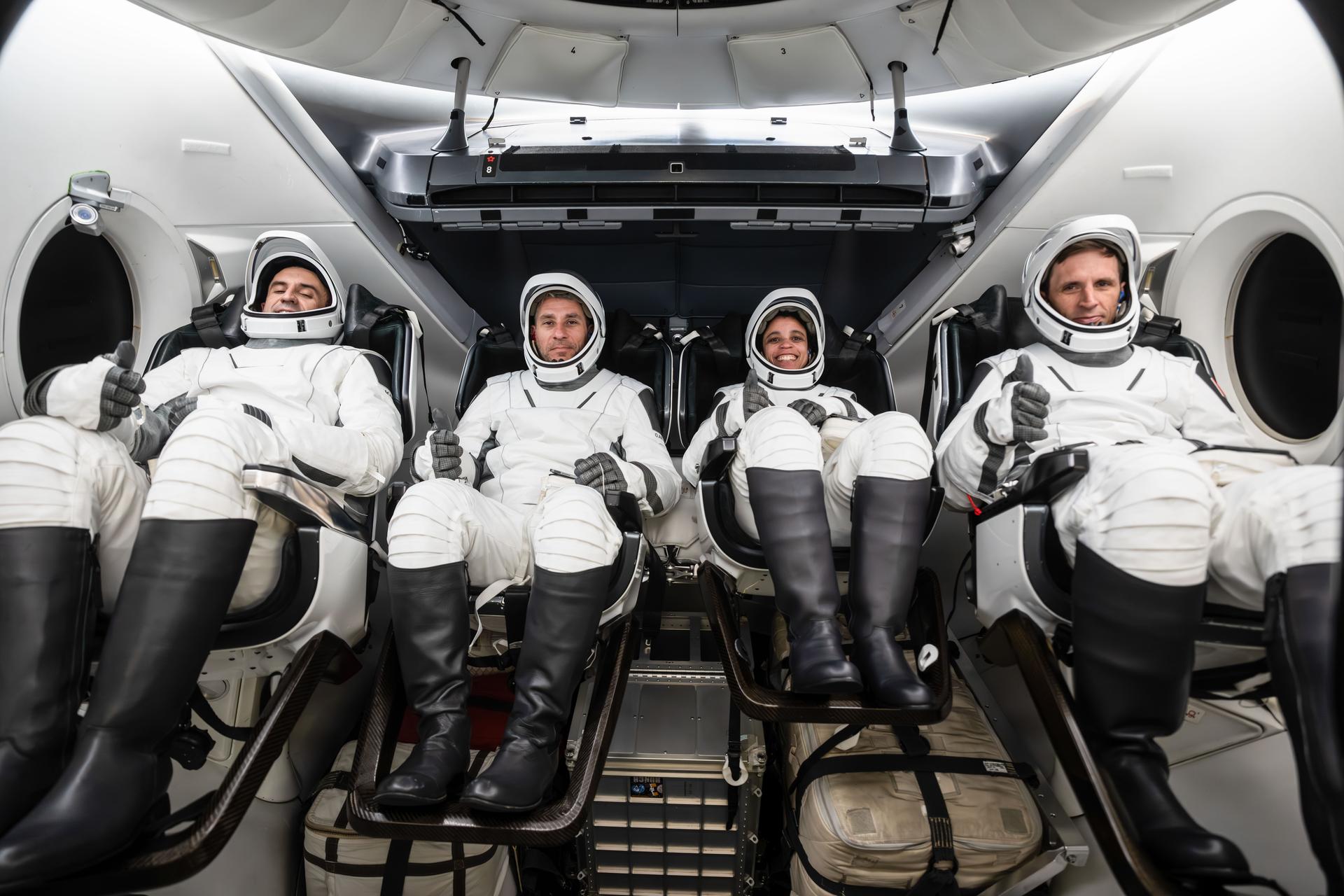
NASA is planning a set of biomedical and human performance investigations during the SpaceX Crew-13 mission on the International Space Station (ISS). The work includes a new collaborative effort to study how spaceflight affects blood flow and clotting, alongside other research aimed at understanding key physiological and neurological changes during time in microgravity.
The investigations also cover how astronauts’ manual piloting skills hold up in space, and they evaluate approaches to counter vision and brain changes reported during missions. NASA says it will gather health data intended to support future spaceflight planning and medical risk assessment. In addition, the program includes measurements of the forces astronauts experience during return to Earth, which are intended to help refine re-entry hardware and procedures.
Both outlets describe the same overall research themes, with emphasis on health monitoring and performance testing. The Phys.org account additionally highlights the re-entry forces measurement as part of improving landing and re-entry-related systems, while NASA News presents the same items with a focus on the mission’s broader health and performance study objectives.