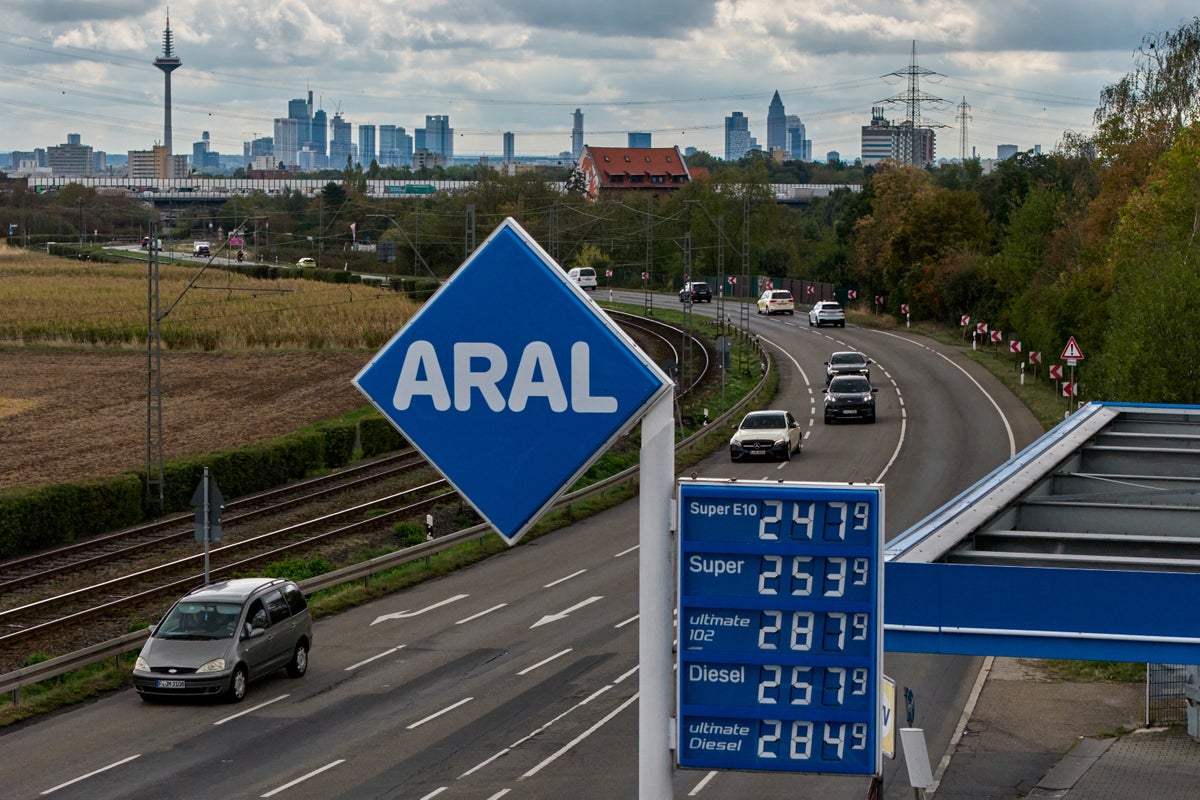
European governments are responding to record-high fuel prices by using a mix of subsidies, tax measures, and policy changes to reduce the impact on households, businesses, and national economies.
The Independent and The National Observer both link the energy-price pressure to wars in Ukraine and the Middle East, describing an ongoing energy crisis that feeds into gasoline and diesel costs. Both outlets say governments are actively designing interventions intended to “offset” or shield people most affected by higher prices. While the overall thrust is consistent—financial and regulatory steps aimed at limiting economic strain—the outlets frame the measures slightly differently: one emphasizes how governments manage the broader economy and “aggrieved citizens,” while the other focuses more specifically on shielding companies and drivers from pump-price increases.
Taken together, the reporting indicates that policymakers are not relying on a single tool. Instead, they are combining short-term relief measures—such as subsidies or tax adjustments—with policy pauses or revisions, reflecting efforts to contain costs while navigating continued geopolitical disruption.