


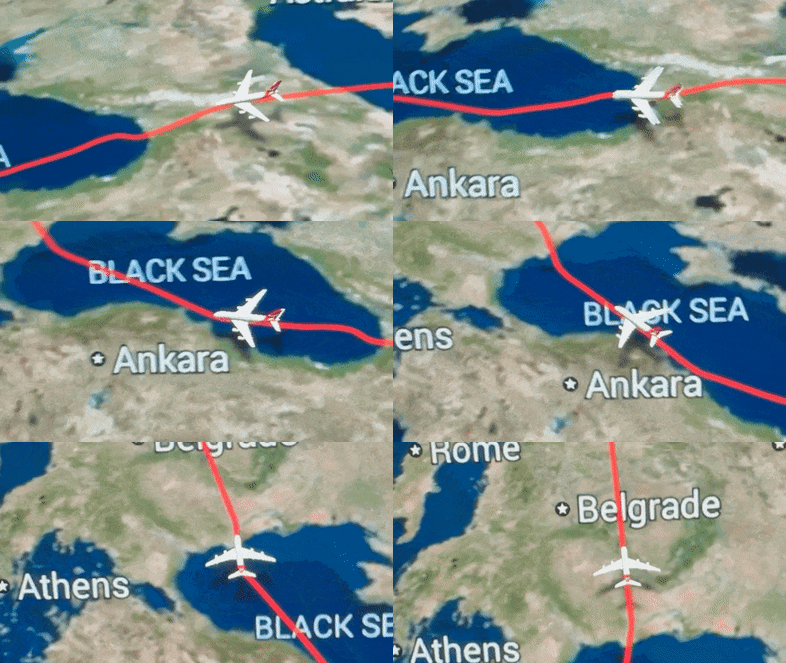
Airlines are increasingly changing flight paths to avoid airspace linked to regional conflicts and security risks, resulting in longer routes and higher operating costs. The added distance and complexity can be reflected in higher fares, even for travellers far from the conflict regions.
Across reporting, global airspace is described as becoming more fragmented as safety concerns lead to temporary or sustained restrictions in particular areas. Outlets explain that these limitations can force carriers to seek alternative routes, adjust schedules, and manage additional fuel and crew requirements. While the articles focus on the same general cause—security-driven detours—they emphasize the broader impact from different angles: costs for airlines, potential price increases for passengers, and the growing influence of geopolitical risk on everyday travel.
Overall, the coverage links rising flight prices to the practical challenges of operating under shifting aviation restrictions, rather than to a single event. The articles note that the pattern depends on how quickly restricted areas change and how airlines adapt route planning in response.

