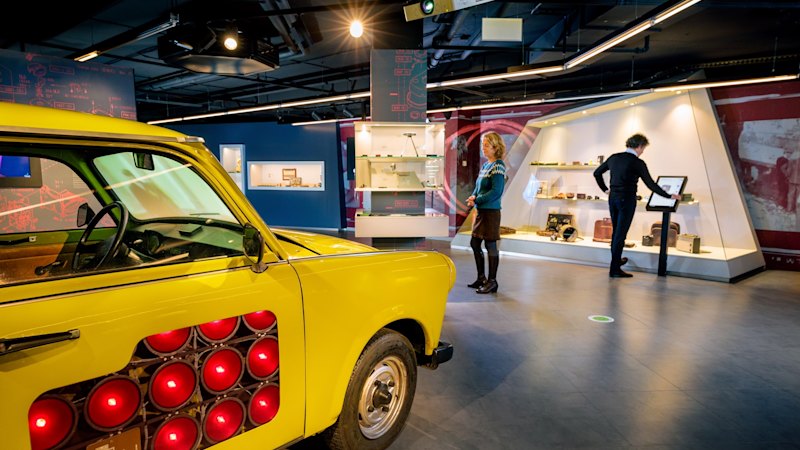
The articles describe Berlin’s German Spy Museum, which presents exhibits focused on Cold War intelligence operations. The coverage highlights how the museum uses items and narratives to illustrate espionage methods, including references to “poison umbrellas” and other device-based tradecraft.
The outlets frame the museum primarily as an accessible way to understand Cold War spying in the context of Berlin’s role at the centre of East–West tensions. While the sources share the same focus and promotional tone—calling the museum an engaging way to learn—their content appears aligned on the theme of concrete artifacts that show how intelligence work operated in practice rather than abstract history.
Across the three outlets, there is no substantive disagreement about the core subject: the German Spy Museum in Berlin. Differences are largely in wording and emphasis, but all point readers toward the museum as the main entry point for learning about the period’s espionage culture.