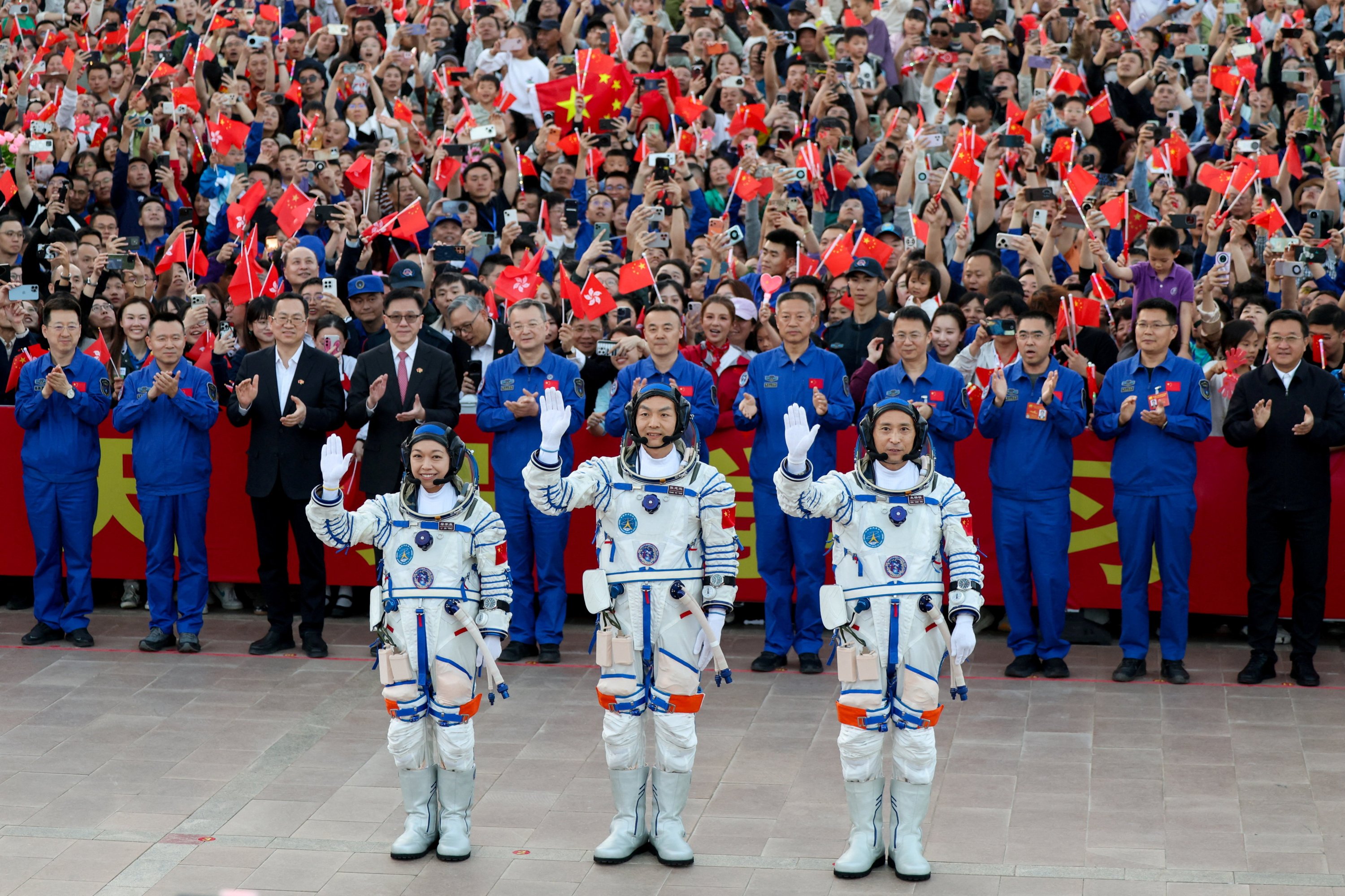
China launches three astronauts to its Tiangong space station, with one crew member scheduled to stay for about a year. Multiple outlets report that the year-long stay is intended to support studies of long-duration human physiology and health while living in orbit. The launch is presented as part of China’s broader push to expand its human spaceflight capabilities and gather data from extended missions.
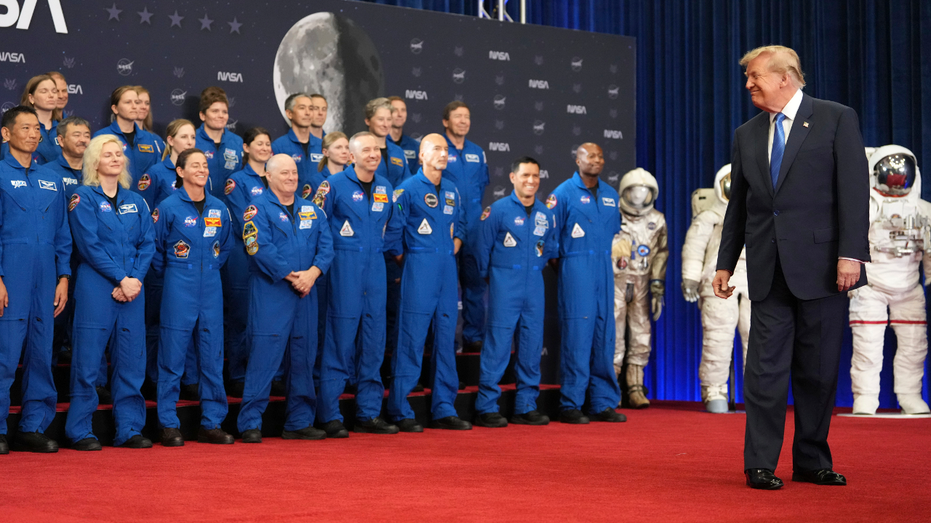
Several reports link the flight to Beijing’s stated objective of a crewed Moon landing by 2030. Coverage frames the launch within a wider international context in which space agencies and governments are accelerating their lunar plans, alongside the United States and other efforts to return humans to the Moon.
Across the sources, the core details are that three astronauts are sent to the Tiangong space station and that one mission participant will remain in space for roughly a year, while China continues to pursue its lunar deadline. No outlet provides differing specifics about the number of astronauts or the station destination, though the emphasis varies between long-duration research and the political timeline toward a Moon landing.