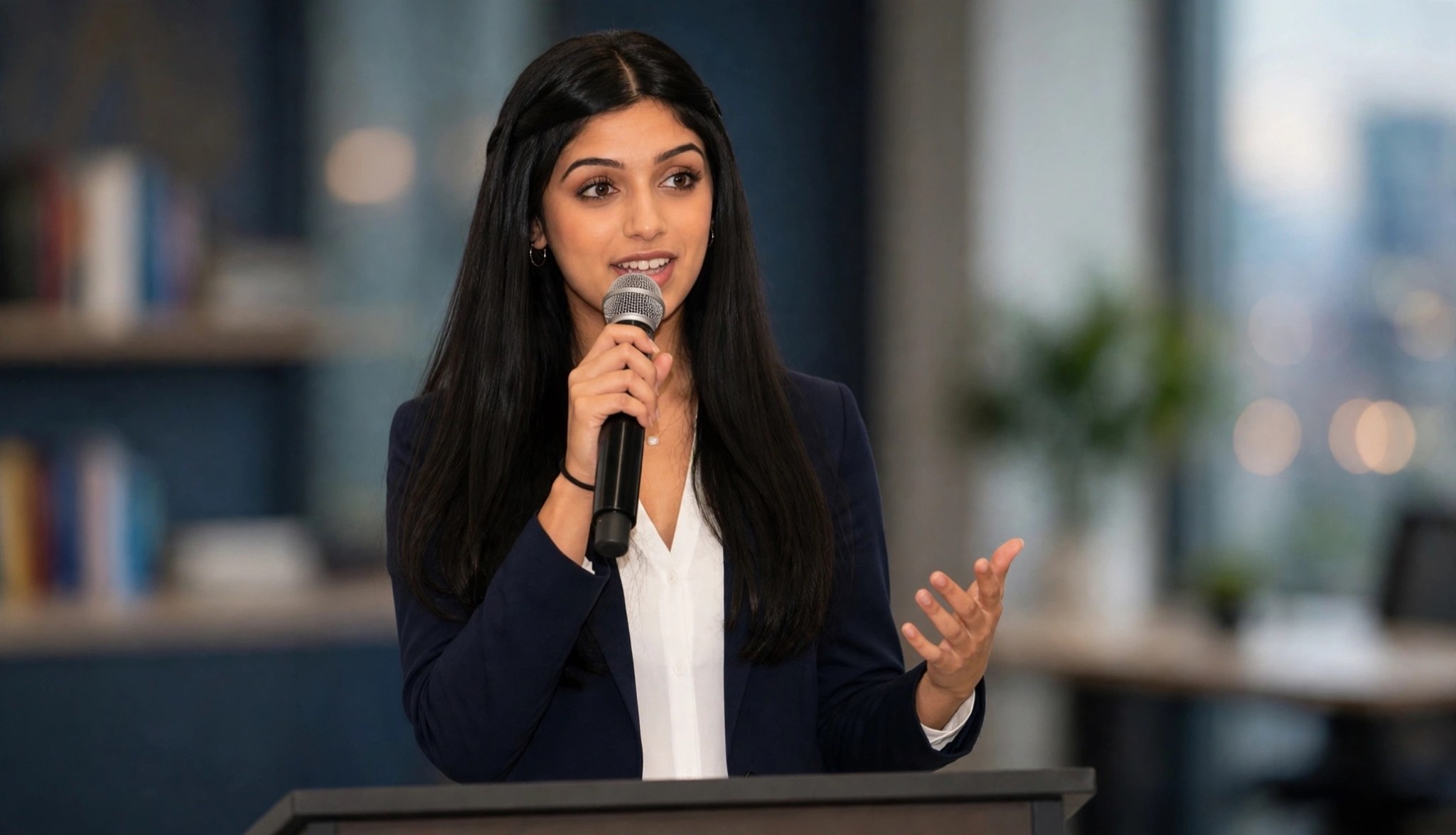
A 17-year-old student, Navya Tuteja, says her high school blocks access to tools such as ChatGPT and Claude, prompting her to build an AI-focused startup instead. She recently launched Raaha, a free platform aimed at helping neurodivergent job seekers evaluate job listings, drawing on her own experience with restrictions that limited how she could use AI during school hours.
Both outlets describe Raaha as gaining traction shortly after launch. Fortune and Times of India report that Tuteja has attracted more than 1,000 users, and Times of India adds that the platform features around 20,000 job listings. The coverage frames her response differently: Fortune emphasizes the personal impact of the block on her day-to-day AI use, while Times of India highlights her startup’s job-listing functionality and her stance that selective use and regulation may be more effective than blanket bans. Across the accounts, she presents her work as an alternative approach—using AI in a targeted, purpose-built way rather than relying on general chat tools for school tasks.