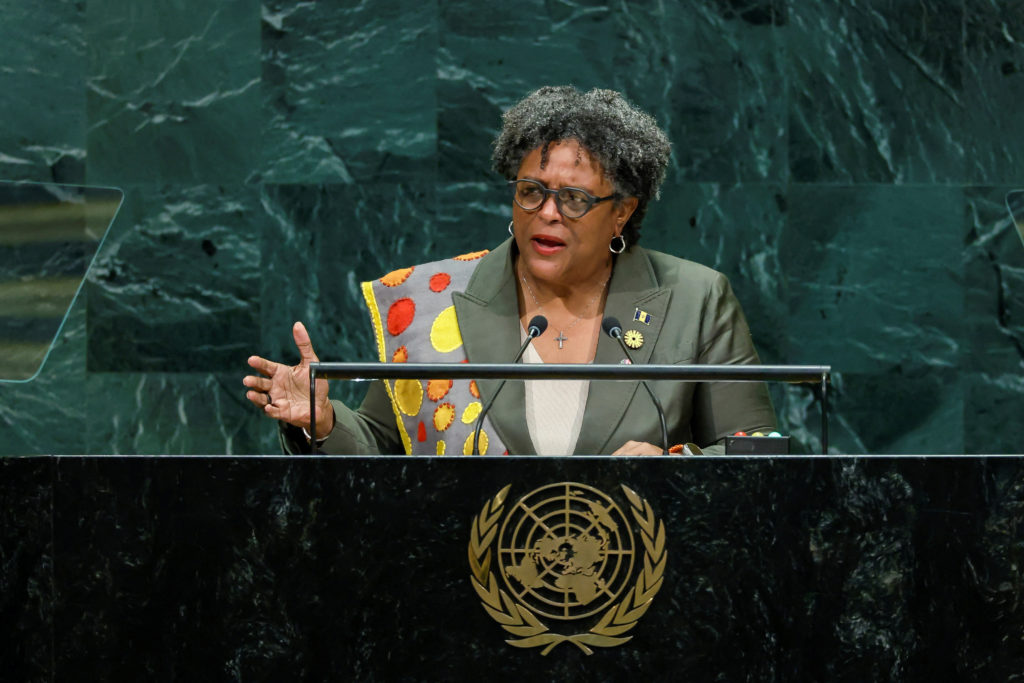
UN speakers this week use a wide range of quotations in their remarks, ranging from ancient texts and longstanding sayings to references to more recent cultural figures. Several segments highlight how delegates draw on familiar language to frame arguments and connect with global audiences.
The outlets describe the same general theme—speakers selecting recognizable lines of authority and meaning—but differ in the specific examples they emphasize. PBS NewsHour focuses on the breadth of references, noting that quotations include homeland sayings, ancient moral texts, and “modern greats,” as well as a playful nod to the 1980s band Talking Heads. The Winnipeg Free Press frames the discussion around “go-to quotes,” emphasizing the variety of sources speakers rely on in their statements.
Together, the coverage portrays quotation selection as part of how UN speakers establish credibility and resonance. While the examples vary, all accounts point to a consistent practice: delegates use both historical and contemporary references to communicate positions and perspectives.