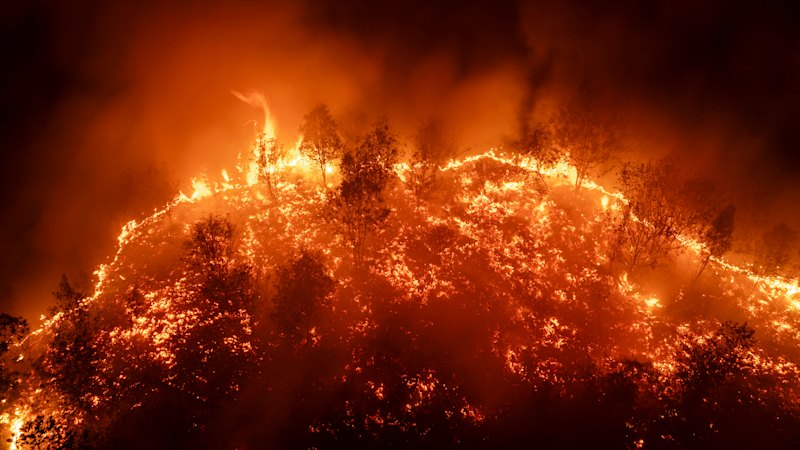
Wildfires in Indonesian Borneo have been generating thick, hazardous smoke and toxic haze that reduce visibility and affect millions of people, with some describing conditions as seeing “nothing but red.” The haze has persisted for months, leaving communities under a stifling blanket of pollution.
Across outlets, the cause is described as linked to a prolonged drought. The drought is attributed to the El Niño weather pattern, which reduces rainfall and dries vegetation, making fires more likely to start and spread. While the articles describe the same core drivers and impacts, their reporting focuses on different immediacy and sensory details of the haze and on the broader environmental context of El Niño-linked dry conditions.
Overall, the reports converge on the ongoing scale and duration of the air-quality crisis in Borneo and the role of drought conditions in enabling the fires, with the haze continuing to be a central concern for public health and daily life in the region.