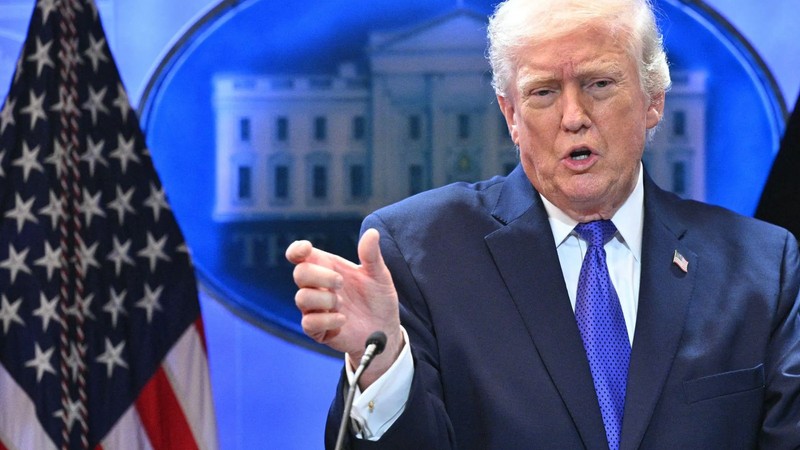
Oil prices rise sharply as Donald Trump rejects an Iranian proposal for a short, seven-day truce. The move heightens concerns that tensions between the United States and Iran will continue without a near-term pause, increasing the risk of disruption to global energy supplies.
Several outlets connect the market reaction to fears about inflation and supply constraints. They note that Iran had outlined a plan at the UN General Assembly to halt hostilities and reopen the Strait of Hormuz, a key route for oil shipments. At the same time, reporting highlights broader regional strain affecting shipping lanes, including Houthi control of Yemen’s Red Sea coastline and the Bab al-Mandab strait. While one account stresses that investors still price in some chance that talks could resume later, other coverage emphasizes that Trump’s rejection immediately shifts expectations and lifts bond yields. Stocks trade mixed as investors look ahead to upcoming US economic data.
Overall, outlets differ mainly in emphasis—some focus on the probability of negotiations returning, while others focus on the immediate implications for inflation risk and supply disruption—yet they converge on the same catalyst: the rejection of Iran’s truce offer.