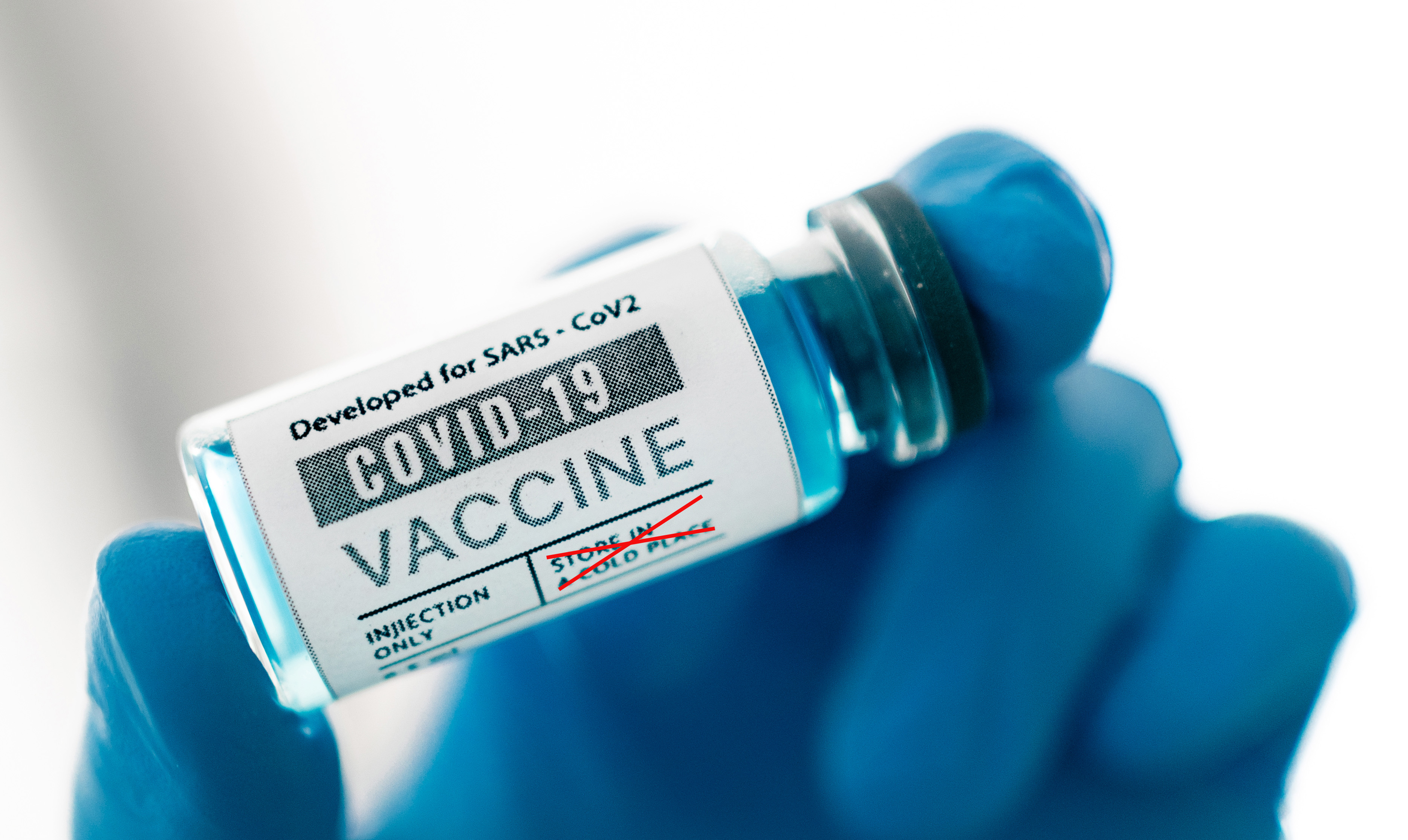
Researchers at MIT report a formulation that helps stabilize the lipid nanoparticles used to deliver RNA vaccines, aiming to improve how long the vaccines remain effective under warmer conditions. The work addresses a common barrier to wider use: RNA vaccines are typically sensitive to storage conditions.
Both outlets describe the motivation for the research as expanding RNA vaccine distribution beyond environments that can support ultracold storage. While MIT News frames the development as potentially enabling broader deployment, Phys.org places it in a broader context of ongoing efforts to apply RNA vaccines to diseases beyond COVID-19, including cancer. The sources agree that the technical focus is on making the delivery system more heat-tolerant, which could reduce dependence on extreme cold-chain logistics. They do not present differing claims about the core finding, but differ in emphasis—MIT highlights the stabilization approach, while Phys.org highlights the impact on future disease applications and the storage challenge it seeks to overcome.