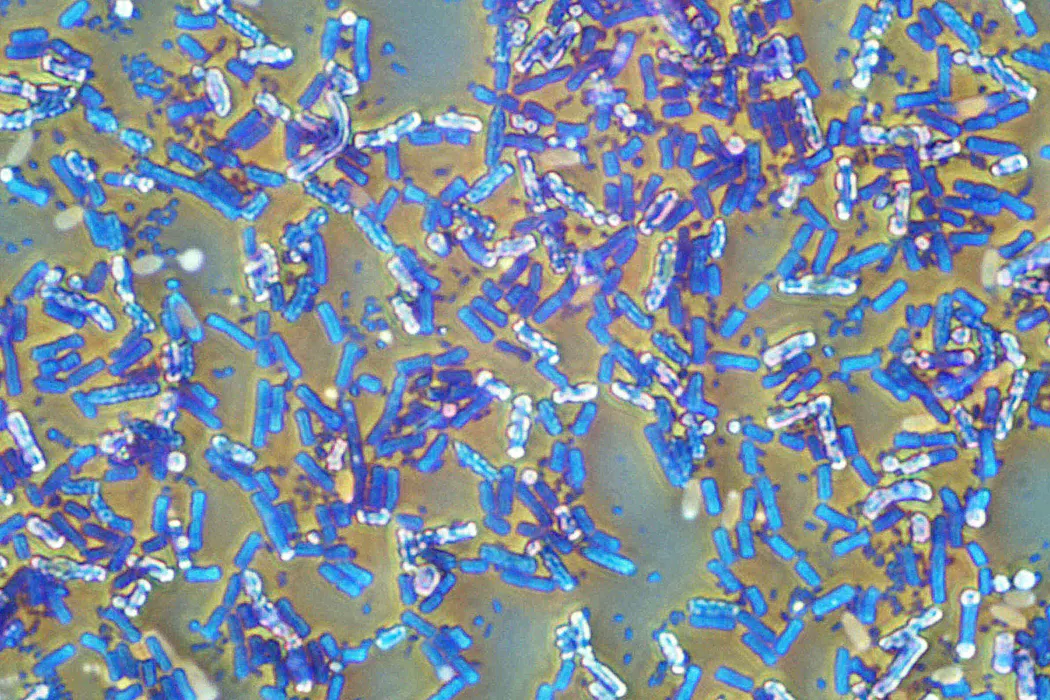
Spore-forming bacteria survive extreme environments by entering a dormant “hibernation” state. In this process, they shut down normal cellular activity and invest energy in building highly resistant spores, which are protected by protein armor and remain metabolically inactive. Once conditions improve, the bacteria can restart growth.
The outlets also describe why this strategy is effective but not without cost. Because forming and maintaining spores requires substantial energy, researchers frame the dormant state as a survival gamble with a potential vulnerability: the energy demand associated with the life cycle. One source adds broader context by citing experiments in which Bacillus spores are exposed outside spacecraft; NASA previously left spores in orbit for years, reporting that spores protected from sunlight could later be revived on return to Earth.
Together, the accounts emphasize spore resistance to heat, drying, radiation, and space vacuum, while highlighting that the same biology can expose weaknesses researchers may be able to target. The specific experimental details and framing differ, but both center on spore formation as the key to persistence and on energy expenditure as a potential Achilles’ heel.