Canada reports a confirmed human case of H5N1 avian influenza, commonly called “bird flu,” in 2024, the first known instance acquired in Canada. The patient is a 13-year-old in British Columbia who develops severe illness, including respiratory failure, and then recovers after intensive care treatment in a hospital.
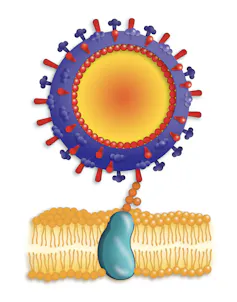
Both outlets use the case to highlight how researchers determine when an animal virus may pose a risk to people. They point to remaining uncertainties about what enables an avian virus to infect humans and cause serious disease. The Conversation emphasizes that the British Columbia case offers new evidence, but also shows that many factors can shape whether and how the virus gains the ability to infect people. Overall, the coverage focuses on the medical impact of the infection and the scientific questions it raises, rather than on any single cause of transmission in this specific incident.