


The Trump administration issues new fuel economy rules that roll back existing vehicle efficiency standards, saying the change will lower costs for consumers. Officials estimate the average price of a new vehicle in 2031 would be reduced by about $1,300 as a result of the revised requirements.
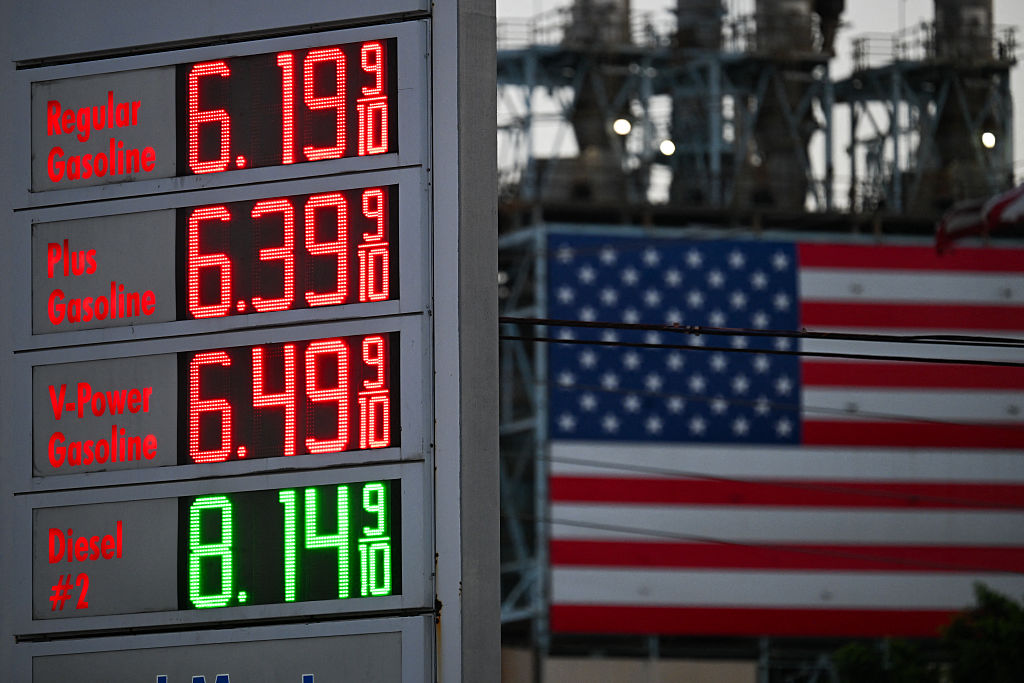
Analysts quoted by outlets express doubt about whether those projected savings will materialize as described. They note that the final impact on prices and consumer costs depends on factors beyond the rule itself, including market conditions and the price of gasoline over time. In their view, even if vehicle manufacturing costs change, the degree to which automakers pass those changes to buyers—and whether fuel savings from greater efficiency affect the overall cost—could vary widely.
While the administration frames the rollback as a direct path to cheaper cars, coverage highlights uncertainty around downstream effects and emphasizes that broader economic and fuel-cost conditions will shape the real-world outcome.
/file/attachments/orphans/Vince-Bafana-Sindane-order3_866509.jpg)

