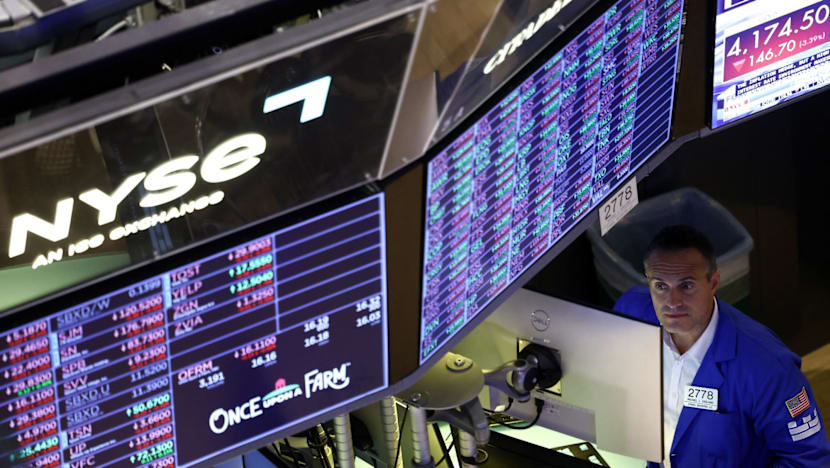
US stocks fall while US bond yields rise as investors react to escalating tensions in the Middle East. Reports say the move in markets is linked to concerns that the conflict is pushing oil prices higher, adding pressure to inflation expectations.
Across outlets, the key context is the impact of higher energy costs on monetary policy. The coverage emphasizes that rising oil prices tied to geopolitical risk raises uncertainty about how the Federal Reserve may respond, with some investors expecting a potentially tighter stance to contain inflation. This expectation is presented as a driver of higher Treasury yields and weaker equities.
While both accounts focus on the same general market direction and underlying causes, they frame the story mainly through the lens of investor worries—especially the link between energy price volatility and the possibility of Fed policy tightening. Neither source indicates a definitive policy decision by the Federal Reserve, instead describing how expectations and risk perceptions are shaping trading.