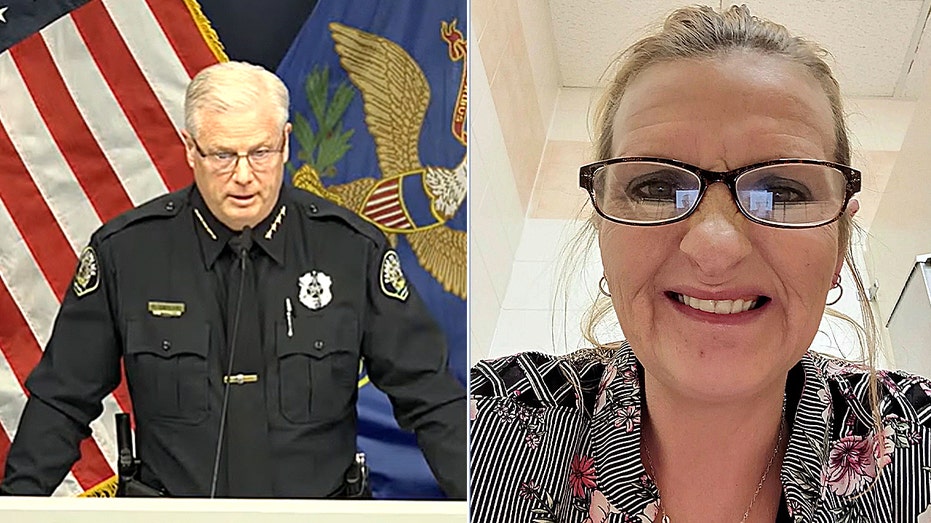
A Tennessee grandmother, Angela Lipps, sues authorities in Fargo, North Dakota, claiming she is wrongly identified through facial recognition technology and held for nearly six months. She alleges police arrested her at gunpoint and jailed her based on an uncorroborated AI facial recognition match.
According to reporting, experts raise concerns about how facial recognition results are used when they are not independently verified. The outlets also differ in emphasis: one source frames the case primarily as a policing and evidence-handling failure, asserting that a detective ignored information that could have supported Lipps’s innocence. Another focuses more directly on the alleged AI facial recognition mistake and the broader implications, describing experts who question the reliability and confirmation practices surrounding such matches.
Both accounts describe the same core dispute—Lipps’s claimed misidentification, the manner of her arrest, and the duration of her pretrial detention—while foregrounding different causes and lessons.