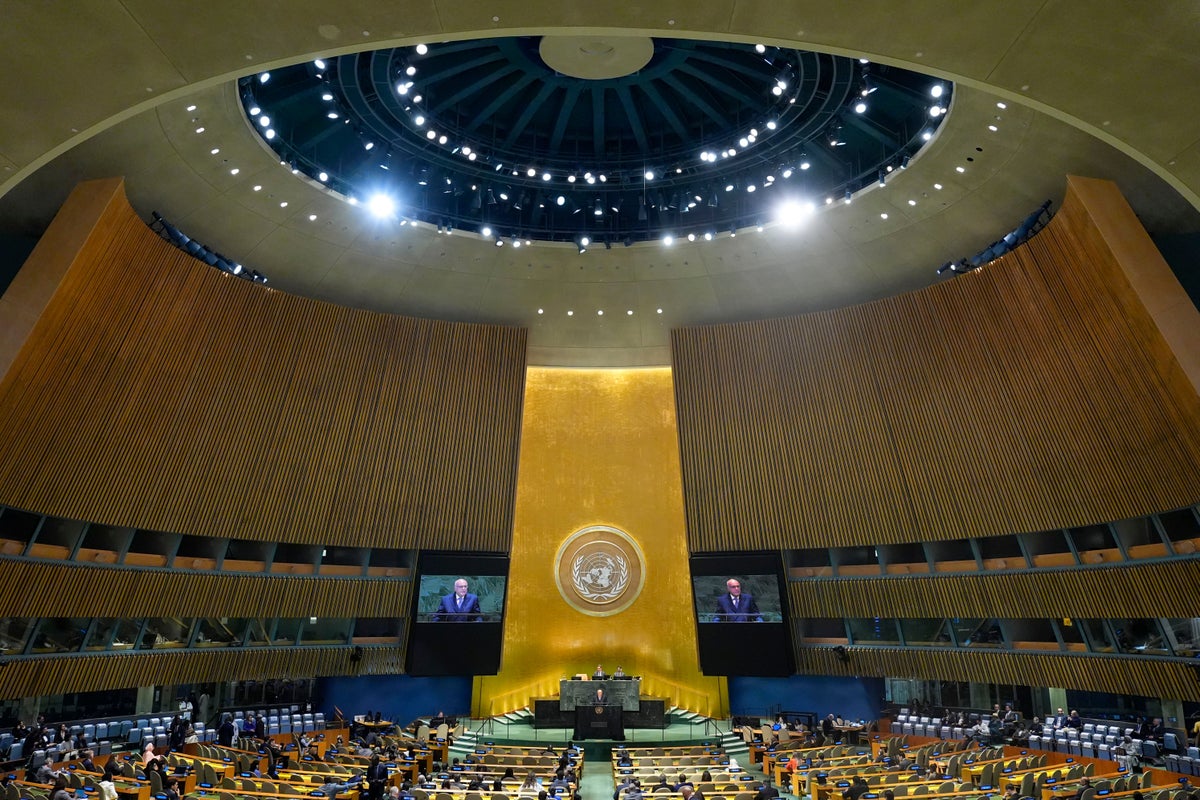
At the UN, world leaders repeatedly frame climate action as a shared effort—often using the message that “we’re in this together.” The discussion comes alongside renewed attention to which countries hold influence over global decisions, particularly as climate impacts intensify.
Several outlets connect the rhetoric to ongoing debates over the “table of power.” They highlight calls for more permanent seats for emerging voices, and focus on nations—especially island states—facing existential threats from rising seas and extreme weather. Coverage also points to broader concerns about representation for regions most affected by climate change, with Africa frequently cited as a key priority.
While outlets differ in emphasis, they converge on the idea that UN-level climate cooperation depends on both political coordination and fairer participation in decision-making. The “together” framing is thus presented not only as a statement about solidarity, but also as a prompt to clarify how countries cooperate, who gets a stronger platform, and how affected states shape outcomes.