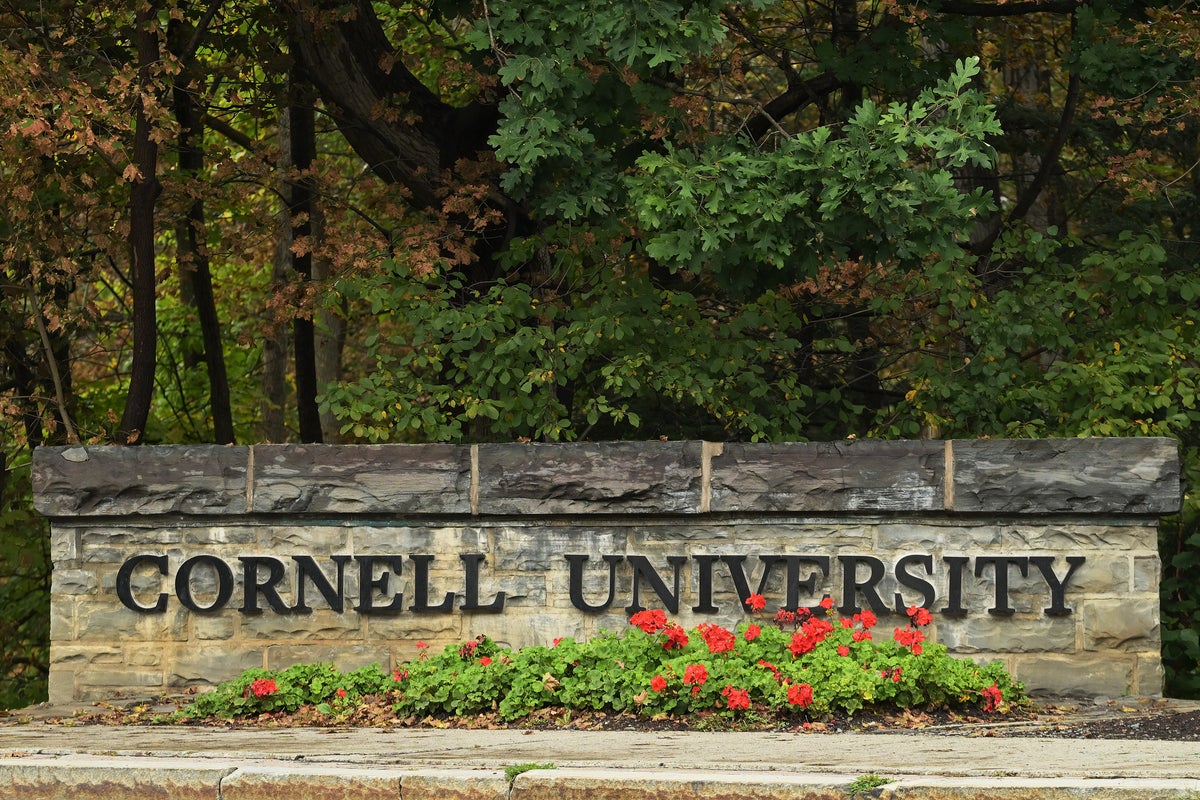
A woman’s account of being sexually assaulted at a Cornell University fraternity house prompts renewed public and political scrutiny of a New York law involving intoxication and sexual consent, according to multiple outlets. Advocates and lawmakers say the statute can make some cases harder to prosecute when the alleged offender is accused of taking advantage of a person who was too intoxicated to consent.
The reports describe the debate as centering on how prosecutors must prove intent and capacity to consent under the law, particularly when intoxication is involved. While outlets focus on the renewed criticism, they present the same basic concern: critics argue the legal framework may limit charging options in cases where the complainant’s level of intoxication is central. The attention is linked to broader efforts in the wake of campus-related allegations to reassess consent standards and evidentiary requirements.
Together, the sources frame the Cornell allegations as a trigger for renewed calls to change or clarify state-level rules, rather than as a decision by any court. The specific details of the underlying case are not presented consistently across the summaries provided.