


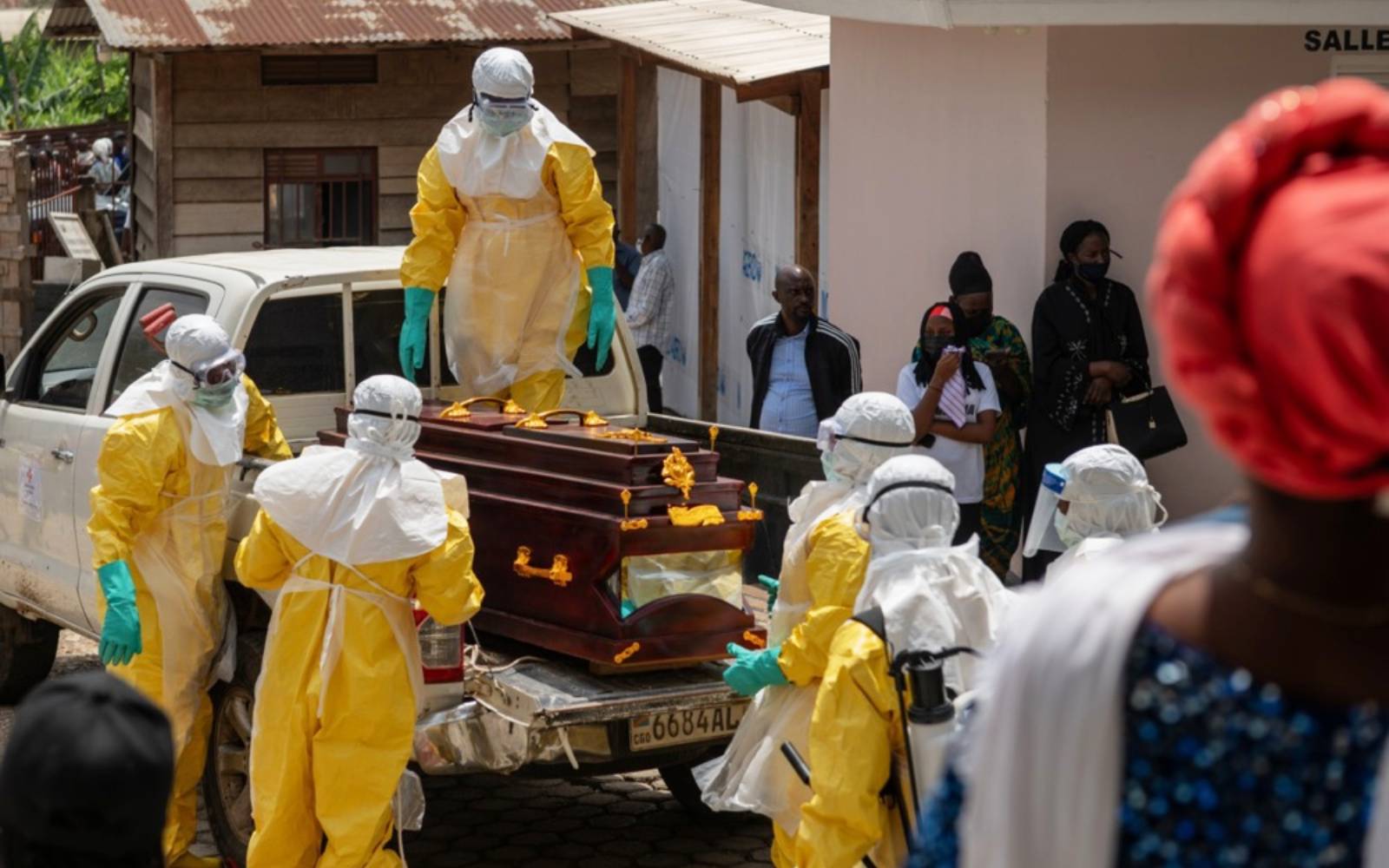
A deadly Ebola outbreak in the Democratic Republic of the Congo, centered in Ituri province, is met with a mix of fear, skepticism, and criticism of the government’s response, according to multiple reports. One outlet describes how decades of neglect and recurring conflict have left some residents doubtful about the disease and reluctant to accept official health messaging, despite a reported death toll of 88 in the northeastern region. Another report similarly says communities in the outbreak epicenter are divided between those who challenge how authorities are handling the situation and those who deny that Ebola is present at all.
Both accounts point to social factors—rather than only the biological spread of the virus—as central to the outbreak’s dynamics. They describe how distrust can undermine public cooperation with prevention and treatment efforts, while anxiety about infection influences local behavior. The reports also suggest that improving community engagement and addressing concerns about official actions are important alongside medical measures. The situation continues to be monitored as health authorities work to contain the outbreak amid ongoing community resistance and differing views about the disease.

