


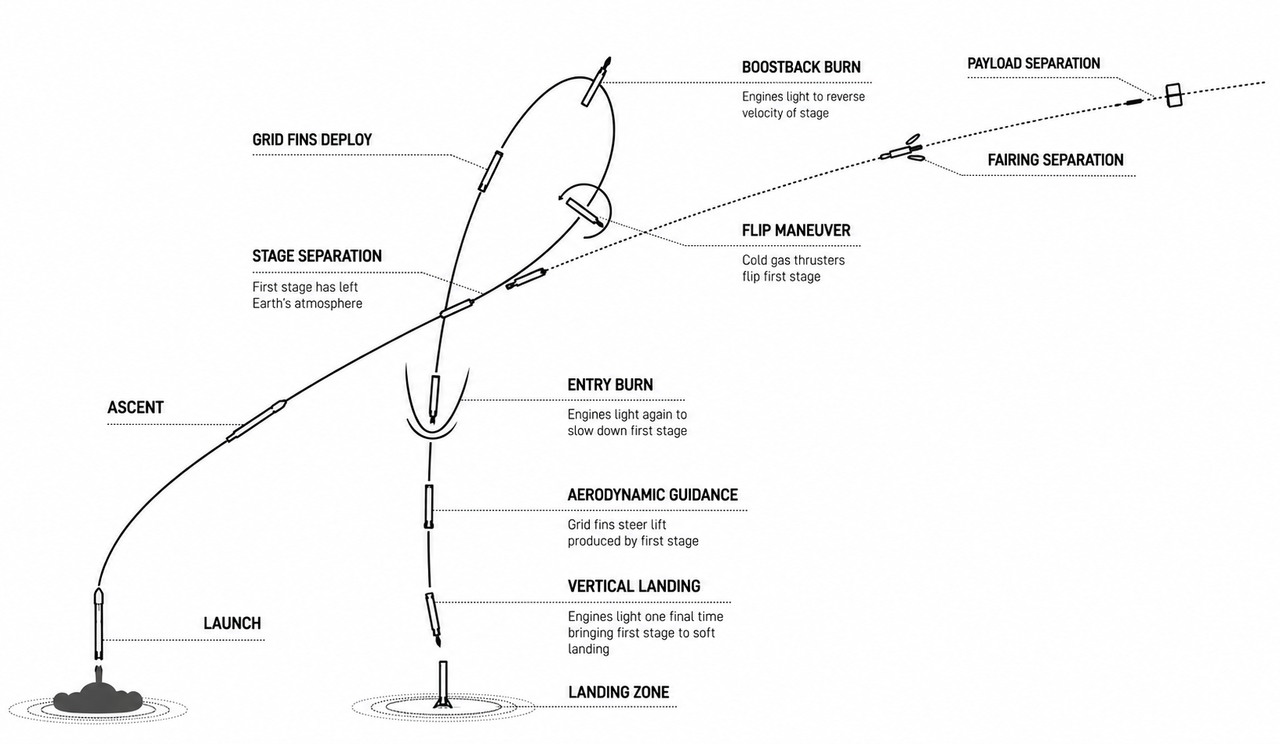
Google launches a prototype satellite test for Project Suncatcher, aiming to explore whether data center infrastructure can be hosted in low Earth orbit. The satellite, powered by solar and equipped with Google-designed AI processing chips, is carried into orbit on a Falcon 9 rocket from SpaceX.
Across outlets, the core purpose is similar: the flight is meant to validate key hardware and systems in space, rather than operate a full data center. Google describes the effort as testing whether space can host scalable machine learning infrastructure, leveraging near-constant sunlight in low Earth orbit. The Fast Company account emphasizes that the launch is an early step to determine whether the chips can survive space’s extreme conditions, and it points to additional planned satellite missions in 2027 to test high-speed laser links needed for communication.
While both sources cite broader ambitions to lower costs versus terrestrial facilities over time, they differ in emphasis. Fast Company focuses on engineering constraints—optical connectivity requiring satellites to fly close enough for high bandwidth, propulsion limits, cooling challenges in vacuum, and environmental considerations such as emissions from launches and reentry. ZeroHedge highlights the economic framing and the role of improving launch economics, noting research that orbital data centers are not yet cost-competitive but could become closer to parity in later years. All accounts characterize the mission as a test of feasibility that could accelerate development if results are positive.


