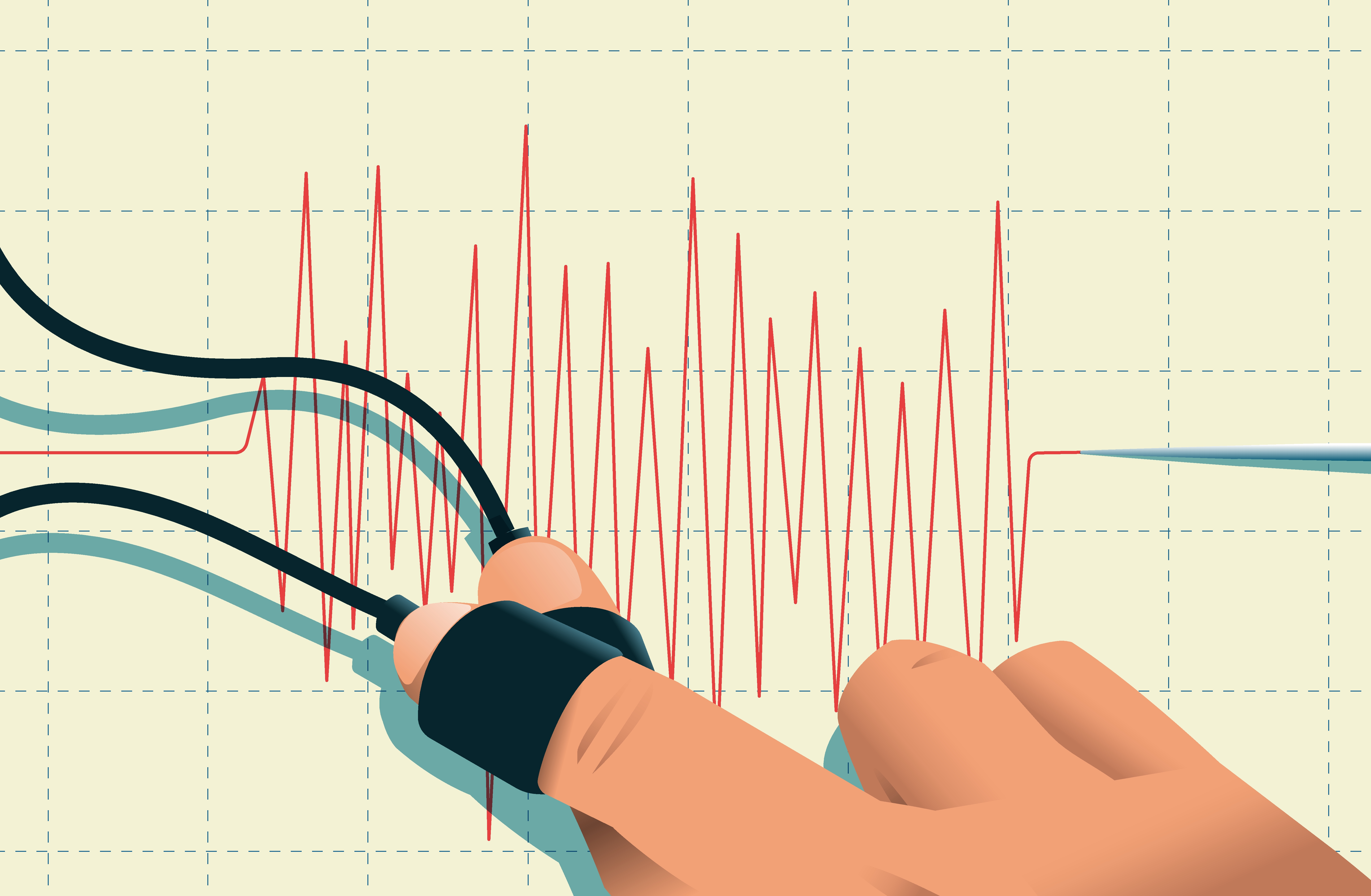
Multiple outlets report that critics are challenging whether the Pentagon is moving away from, or still pursuing, AI-assisted “polygraph” methods intended to judge a person’s trustworthiness. The approach combines automated analysis of things such as speech patterns, vocal stress, and facial expressions to infer deception or intent.
Defense and service-focused publications say the core contention is that the scientific evidence supporting such systems is limited. Critics argue that performance can be unreliable across different individuals, contexts, and environments, and that using AI in this way could increase the risk of false positives and false negatives. They also warn that automated interpretations may reinforce errors at scale, especially if human review is limited or if results are treated as definitive.
Across the sources, the differing emphasis is on how much progress or commitment the Pentagon has made and what officials are planning or reconsidering. While the outlets converge on skepticism about the underlying premise and the evidence base, they differ in framing—some foreground the lack of validation, others focus on the broader concern that AI systems could compound mistakes rather than improve accuracy.