


OpenAI CEO Sam Altman says he is less concerned that artificial intelligence will cause a broad “jobs apocalypse” and that the technology has not yet produced the level of white-collar job losses he previously feared. Speaking virtually at a Commonwealth Bank of Australia (CBA) conference in Sydney, Altman says he thought entry-level white-collar roles would be more affected “by now,” but that the expected impact has not materialized. Multiple outlets report that Altman does not cite specific job-loss figures in these remarks. Coverage also frames his comments as a correction of earlier, more dire warnings about employment disruption from rapidly advancing AI. Inc. and other summaries add that reassurances from leading AI developers and newer data are consistent with Altman’s updated view, suggesting that widespread job destruction from automation is not occurring at the feared scale “yet.” While some earlier statements in the coverage reference the prospect of industry-wide job cuts, the current reporting emphasizes that, in the near term, AI’s labor effects appear more limited than predicted, and may still be accompanied by job creation or reconfiguration, rather than total employment collapse.
Sam Altman walks back AI “jobs apocalypse” prediction, says employment impact is limited so far
OpenAI CEO Sam Altman says he is less concerned that artificial intelligence will cause a broad “jobs apocalypse” and that the technology has not yet produced the level of white-collar job losses he p...
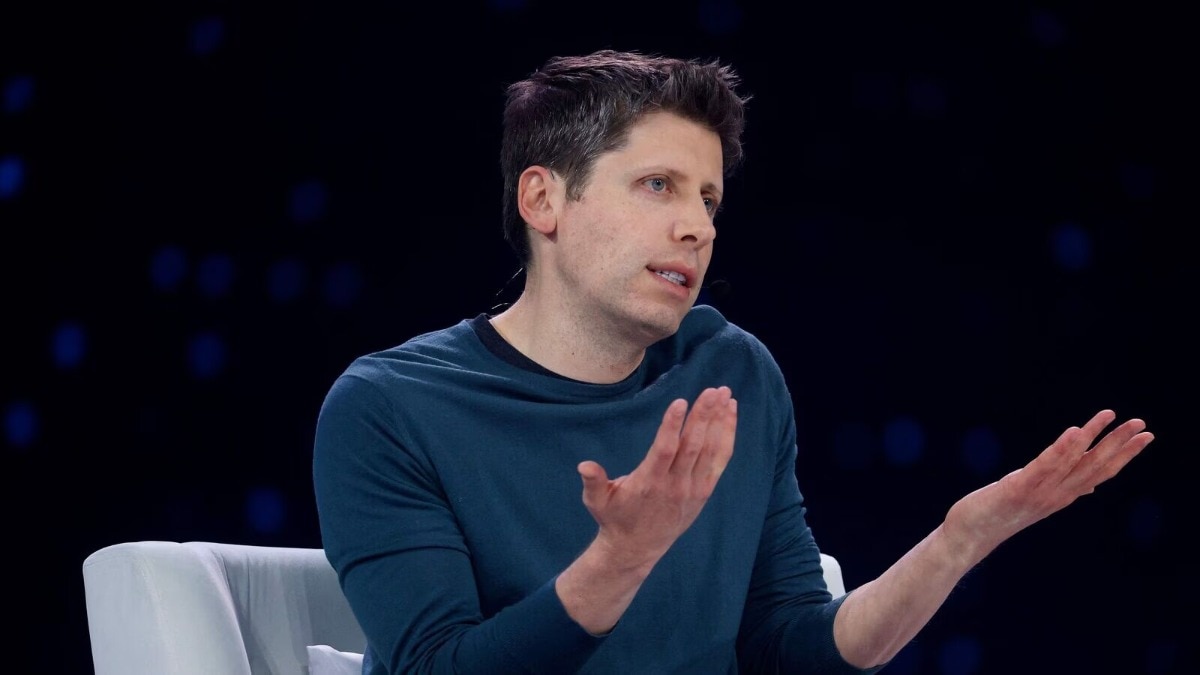
- OpenAI CEO Sam Altman says AI is unlikely to trigger a broad “jobs apocalypse.”
- Altman says he thought entry-level white-collar jobs would be more impacted by now, but that has not happened.
- The remarks are made during a virtual appearance at a Commonwealth Bank of Australia (CBA) conference in Sydney.
- Multiple outlets report Altman does not provide specific job-loss numbers in this update.
- Some coverage notes that new data or reassurances from leading AI companies suggest feared large-scale displacement is not occurring yet, with discussion of possible job creation or limited impact.
After warning of AI job losses Sam Altman now says AI is creating jobs
4 months agoSam Altman admitted he was wrong. The visionary who spent years predicting inevitable mass unemployment driven by artificial intelligence…Continue reading on Medium »
4 months agoOpenAI CEO Sam Altman said this week that the rapid development and adoption of AI would not lead to a global “jobs apocalypse” and the technology had not claimed as many white-collar jobs as he had feared. Speaking virtually at a Commonwealth Bank of Australia (CBA) conference in Sydney, Altman said he was initially concerned […]
4 months agoNew data, and reassurances from leading AI developers, suggest the work automating tech isn’t generating feared job destruction—yet, anyway.
4 months agoThe OpenAI chief expected AI to wipe out entry-level positions, but admits he underestimated the 'human part' of employment.
4 months agoUnlike some of his industry peers, OpenAI CEO Sam Altman has been surprisingly skeptical of the notion that AI is displacing workers. In an interview a few months ago, he argued that AI was a convenient scapegoat for some companies, echoing what some economists and experts have expressed about the narrative that AI is driving layoffs across corporate America. “I don’t know what the exact percentage is, but there’s some AI washing where people are blaming AI for layoffs that they would otherwise do. And then there’s some real displacement by AI of different kinds of jobs,” Altman said at the time. In an interview this week, however, Altman made a bolder statement, suggesting there was little evidence AI would do extensive damage to white-collar jobs, despite predictions to the contrary. “I’m delighted to be wrong about this,” he said on Tuesday during a virtual appearance at the Commonwealth Bank of Australia conference, according to a Reuters report. “I thought there would have been more impact on entry-level white-collar jobs being eliminated by now than has actually happened.” “My intuitions were just off,” he added. “People are like, ‘oh, you could have saved the world a lot of fear mongering and a lot of doom and gloom.’ But at the time I was like, ‘I see this is a real risk. We should probably talk about it.’” Part of the reason for this realization, Altman claims, is that he underestimated the human element that so many jobs require. He had tried using AI to field emails and Slack chats, but increasingly found himself responding to those messages himself—which apparently led him to believe the impact on jobs will be different than he had originally anticipated. “I don’t think we’re going to have the kind of jobs apocalypse that some of the companies in our space advocate or talk about,” he said. While companies have repeatedly cited AI and automation when conducting layoffs, the labor market does not yet reflect a mass reduction in jobs across the workforce. On top of that, even as tech leaders remain bullish about the promise of AI, there are signs that all their spending may not yield the results they are expecting. In another recent interview, an Uber executive cast doubt on the idea that the company’s AI investments had meaningfully boosted productivity, despite blowing through its 2026 AI budget in just a few months. On the Rapid Response podcast, Uber president Andrew Macdonald claimed the growing use of Claude Code tokens had not necessarily resulted in better features for consumers. “That link is not there yet, right? I think maybe implicitly there is more that is getting shipped, but it’s very hard to draw a line between one of those stats and, ‘Okay, now we’re actually producing 25% more useful consumer features,’” he said. Still, that awareness may not help preserve jobs, especially as companies demand greater productivity from their workforce. Whether or not AI can replace workers, tech employers continue making cuts to headcount to offset their sweeping AI investments. Some workers are already feeling the effects of widespread AI adoption, from Amazon warehouse workers to people who hold administrative jobs—and despite the concerns about white-collar employees, researchers have found there could be significant downstream effects for workers without college degrees. For all his talk, even Altman has noted that there’s a chance the fallout from AI could be worse than it seems right now—and that it could eventually come for his job, too.
4 months agoOpenAI CEO Sam Altman said Tuesday that the impact of artificial intelligence is unlikely to cause a “jobs apocalypse.” Altman spoke virtually at the Commonwealth Bank Conferences in Sydney, Australia, where he discussed his initial concerns about entry-level white-collar jobs being taken over by artificial intelligence, Reuters reported. “I’m delighted to be wrong about this, […]
4 months agoOpenAI CEO says it was "roughly right" about predicting the effect of its tech, but "pretty wrong" on the social and economic implications.
4 months agoOpenAI’s CEO says he was wrong about the impact AI would have on employment. Speaking at a conference Tuesday (May 26), Sam Altman acknowledged that a “jobs apocalypse” triggered by artificial intelligence (AI) adoption has not come to pass. “I’m delighted to be wrong about this, I thought there would have been more impact on entry-level […] The post OpenAI’s Sam Altman Retracts AI Job Cut Prediction appeared first on PYMNTS.com.
4 months agoThe OpenAI boss told a tech conference that his predictions about AI wiping out entry-level white-collar jobs had been wide of the mark.
4 months agoOpenAI CEO Sam Altman admitted he was wrong to predict a significant elimination of entry-level white-collar jobs due to AI. He now believes human interaction remains crucial in many professions, suggesting the employment impact will be less severe than initially feared. Altman stated he doesn't foresee a widespread "jobs apocalypse" driven by AI.
4 months agoLet's see if he changes his tune when AI agents take over from CEOs.
4 months agoCEO has come to believe the human interaction required in many jobs would not be replaced by AI
4 months agoOpenAI CEO Sam Altman did not cite any jobs numbers but has previously talked about potential industry-wide job cuts due to the advancement of artificial intelligence
4 months agoSam Altman said AI has yet to trigger the white-collar job losses he once feared, admitting he was wrong about its near-term social and economic impact.
4 months agoThe OpenAI chief, speaking in the Asia-Pacific, walked back the more dramatic predictions of broad employment collapse. The data, so far, agrees with him. OpenAI chief executive Sam Altman said on Tuesday that artificial intelligence was unlikely to trigger the broad employment collapse that has come to be known, in the industry’s own shorthand, as […] This story continues at The Next Web
4 months ago“I’m delighted to be wrong about this, I thought there would have been more impact on entry-level white-collar jobs being eliminated by now than has actually happened,” Sam Altman told CBA Chief Executive Matt Comyn
4 months ago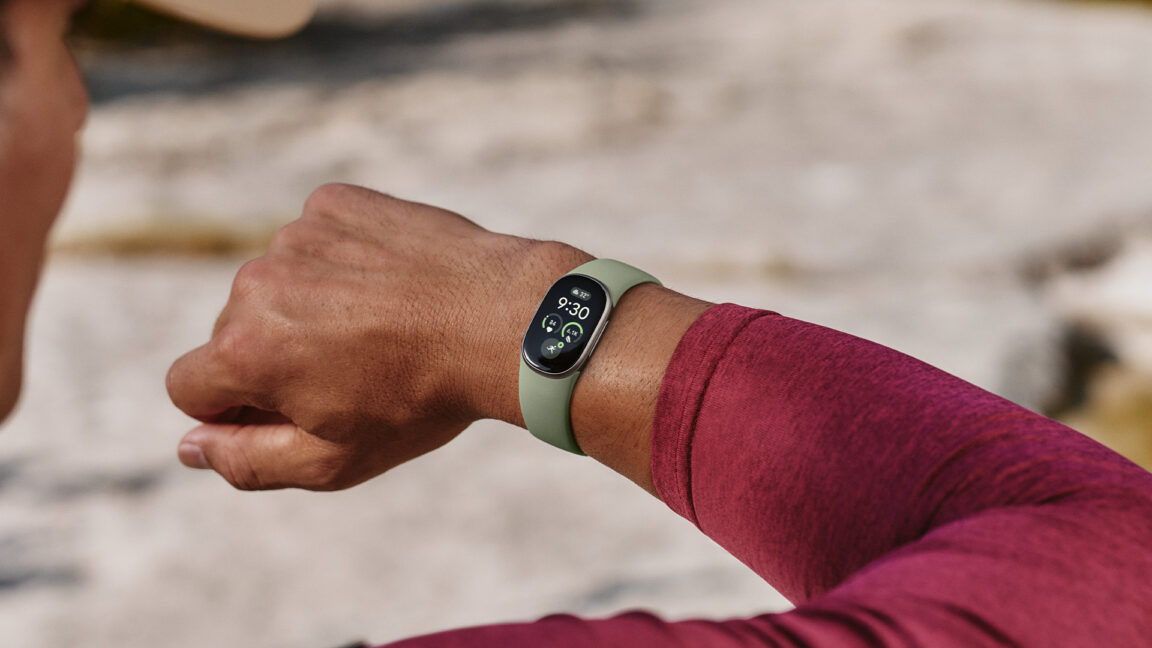
Google launches Fitbit Edge, a screen-bearing tracker between Fitbit Air and Pixel Watch 5
Google has unveiled the Fitbit Edge, a new fitness tracker positioned between the screen-free Fitbit Air and the more fu...
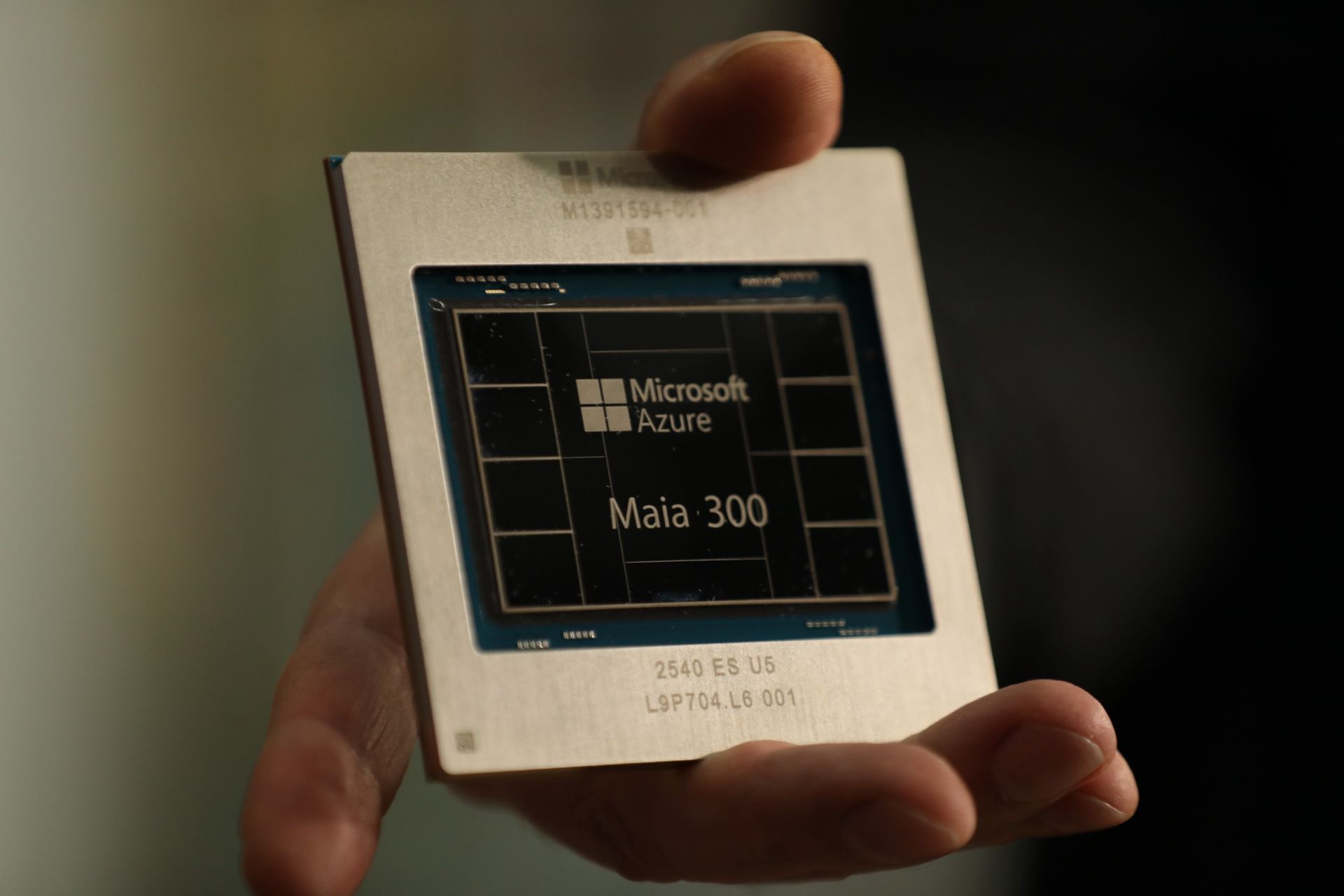
Microsoft unveils Maia 300, its third-generation AI inference chip for cloud products
Microsoft launches Maia 300, the company’s third-generation in-house AI chip, aimed at powering the next wave of AI work...

DeepSeek backs ex-Tencent scientist’s robotics startup Winverse AI with $400 million round
DeepSeek is backing Winverse AI, a robotics startup founded by a former Tencent AI scientist, according to reports inclu...