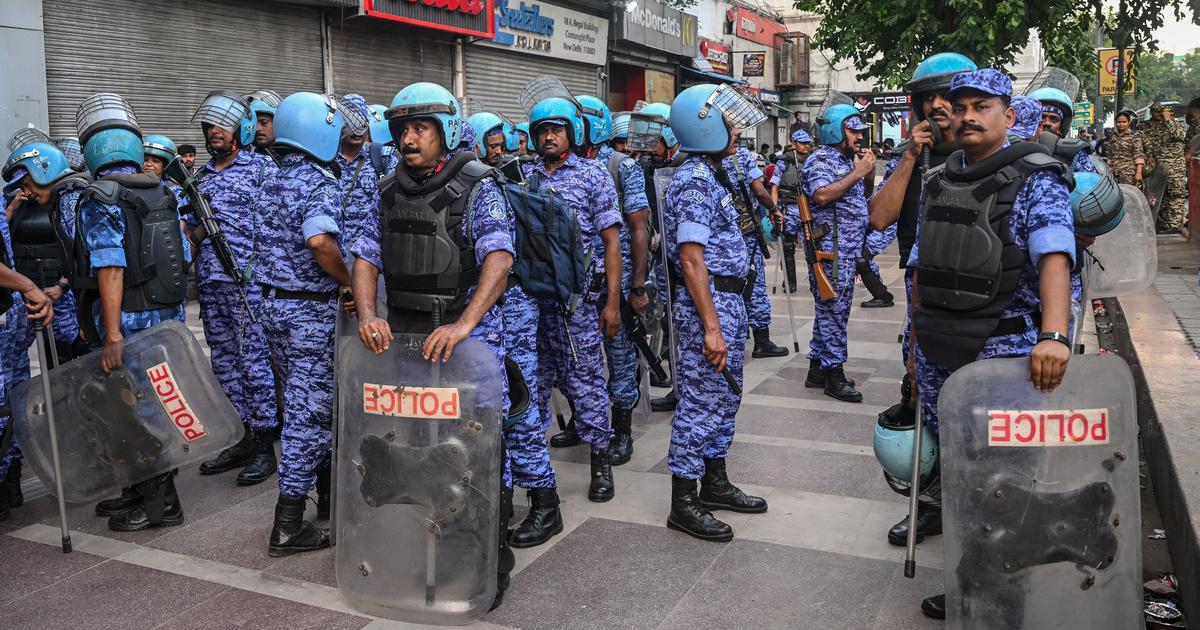
The Delhi High Court refuses to order police and Rapid Action Force (RAF) personnel to wear body-worn cameras during protest and crowd-control duties. The court does not issue a mandatory “always-on” requirement, even as it considers a public interest petition seeking rules for recording and using such footage.
Instead, the bench directs the Union government to treat the petition as a representation and to decide on framing standard operating procedures (SOPs) within six months. It also records that the petitioner should be informed of the government’s response and can approach the court again if there is no action after the deadline.
Outlets reporting on the hearing describe the court’s reasoning as rooted in policing being broader than a single force and in the view that legislative and statutory mechanisms already exist to regulate police procedures where the legislature has chosen to do so. The petition follows allegations after July protests, where the petitioner argues police force was excessive and that much of the available footage came from bystanders rather than official cameras. The case invokes constitutional rights related to speech, assembly, and personal liberty, and seeks a framework covering custody, retention, integrity, and evidentiary use of footage.