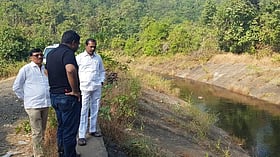
Maharashtra’s drought emergency continues to deepen as the state faces rainfall shortfalls and growing drinking-water and fodder shortages. Multiple districts and talukas are affected, and officials report that water supplies increasingly rely on tanker deliveries, while governments prepare crop-damage assessments and contingency plans for livestock feed and rural livelihoods.
A central inter-ministerial team starts a four-day visit to assess drought and crop losses across affected areas. The team’s programme includes reviewing rainfall deficiency, water availability, drinking-water needs, fodder requirements, and district-by-district damage information. Maharashtra briefs the panel ahead of planned field visits, with state officials also highlighting potential worker migration and wider impacts on agriculture.
Alongside the assessment, Maharashtra moves relief measures. The state deploys hundreds of water tankers reaching hundreds of villages and thousands of settlements in multiple districts. Maharashtra also orders free foodgrains for drought-hit talukas, including steps to extend benefits to eligible people outside existing schemes and ensure ration portability for migrants. At the political level, Chief Minister Devendra Fadnavis meets Union Home Minister Amit Shah to seek maximum assistance through the National Disaster Response Fund (NDRF), while state ministers direct scarcity-mitigation works such as fodder production, water-supply operations, and rural employment.