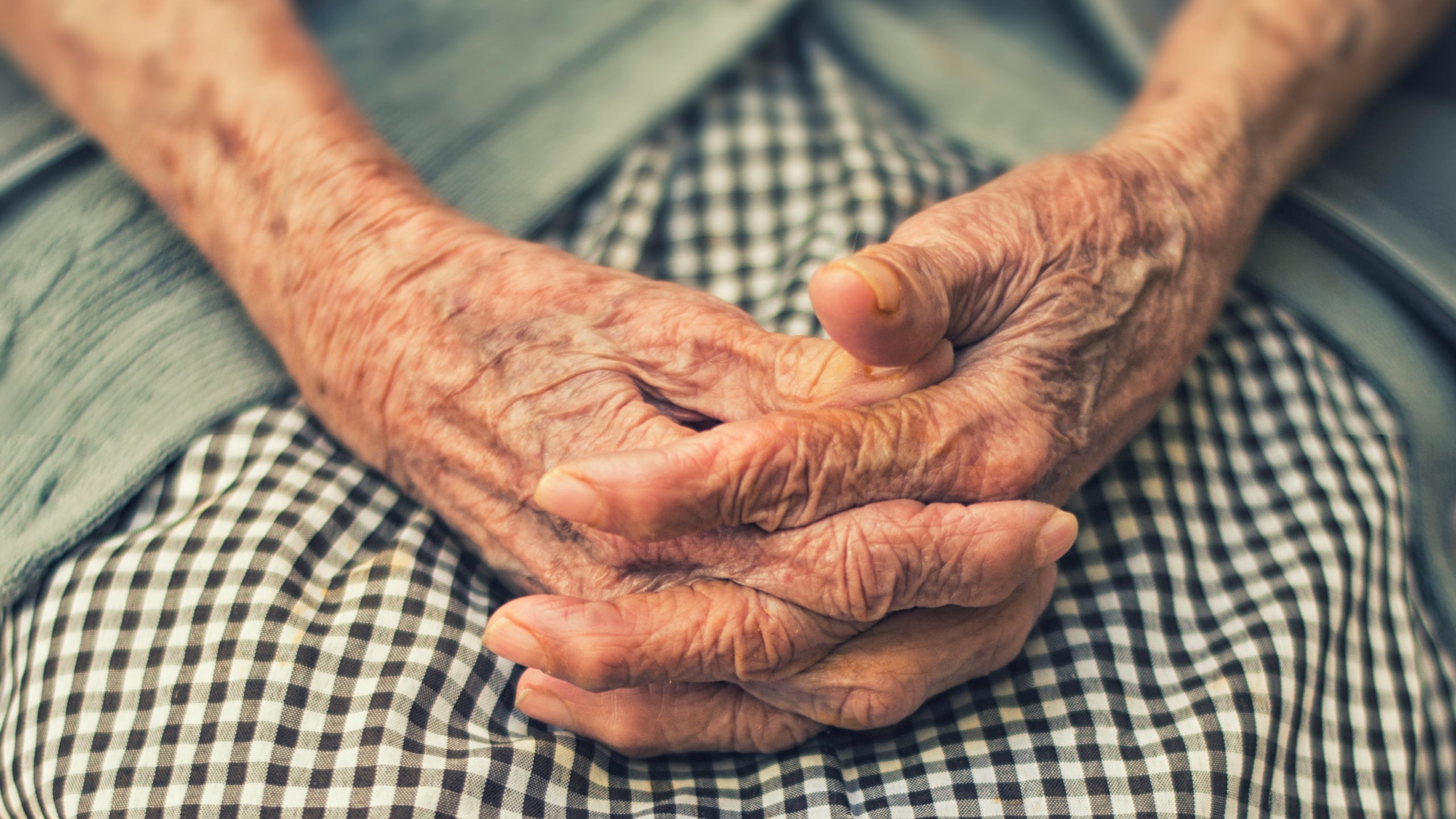
Researchers point to the small Sardinian village of Bolotana as a place where women report exceptionally long life spans compared with broader averages. Multiple outlets describe ongoing scientific efforts to understand what factors may contribute to longevity in the community, drawing attention to how everyday living and environment can shape health outcomes.
The reporting frames the work as an investigation into a possible combination of influences rather than a single cause. Coverage highlights that scientists look at characteristics such as lifestyle patterns, diet, social structure, access to healthcare, and other local conditions, while also considering broader biological explanations. Some accounts emphasize observational findings from the village population, while others focus more on what researchers are trying to measure next and how they plan to separate correlations from underlying causes.
Across sources, the common theme is that Bolotana offers a natural setting for longevity research. The differing angles reflect that the story is not a definitive explanation yet, but a prompt for further study into why women in this specific community may live longer than expected.