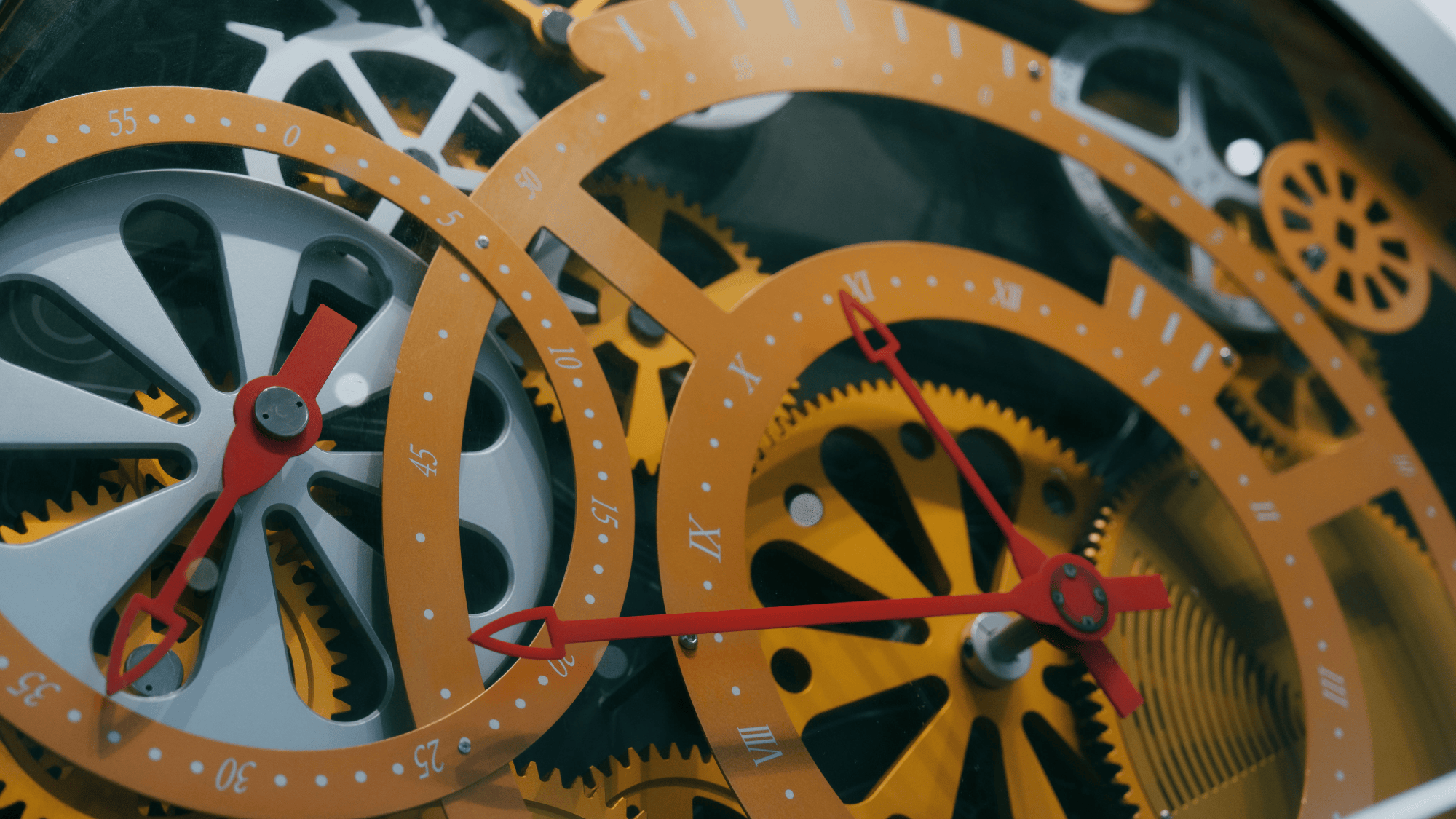
Researchers report that nuclear clocks—ultraprecise timekeeping devices that use transitions in atomic nuclei rather than electrons—are ticking for the first time. The new results indicate that the approach can produce extremely stable time signals, positioning nuclear clocks as potential next-generation time standards.
Context from the coverage emphasizes that nuclear clocks could extend beyond the capabilities of existing atomic clocks. Scientists say the nuclear-based transitions may enable new levels of precision and help test or probe fundamental physics by offering alternative ways to measure how physical constants behave. Popular Science frames the work as a step toward solving difficult scientific problems, while Nature highlights the initial demonstration and its implications for both timekeeping and fundamental-physics research.
Overall, outlets agree the milestone is the first observed operation of nuclear clocks, but they differ slightly in emphasis: Nature focuses on the fundamental-science and standards angle, while Popular Science highlights broader expectations for future discoveries.